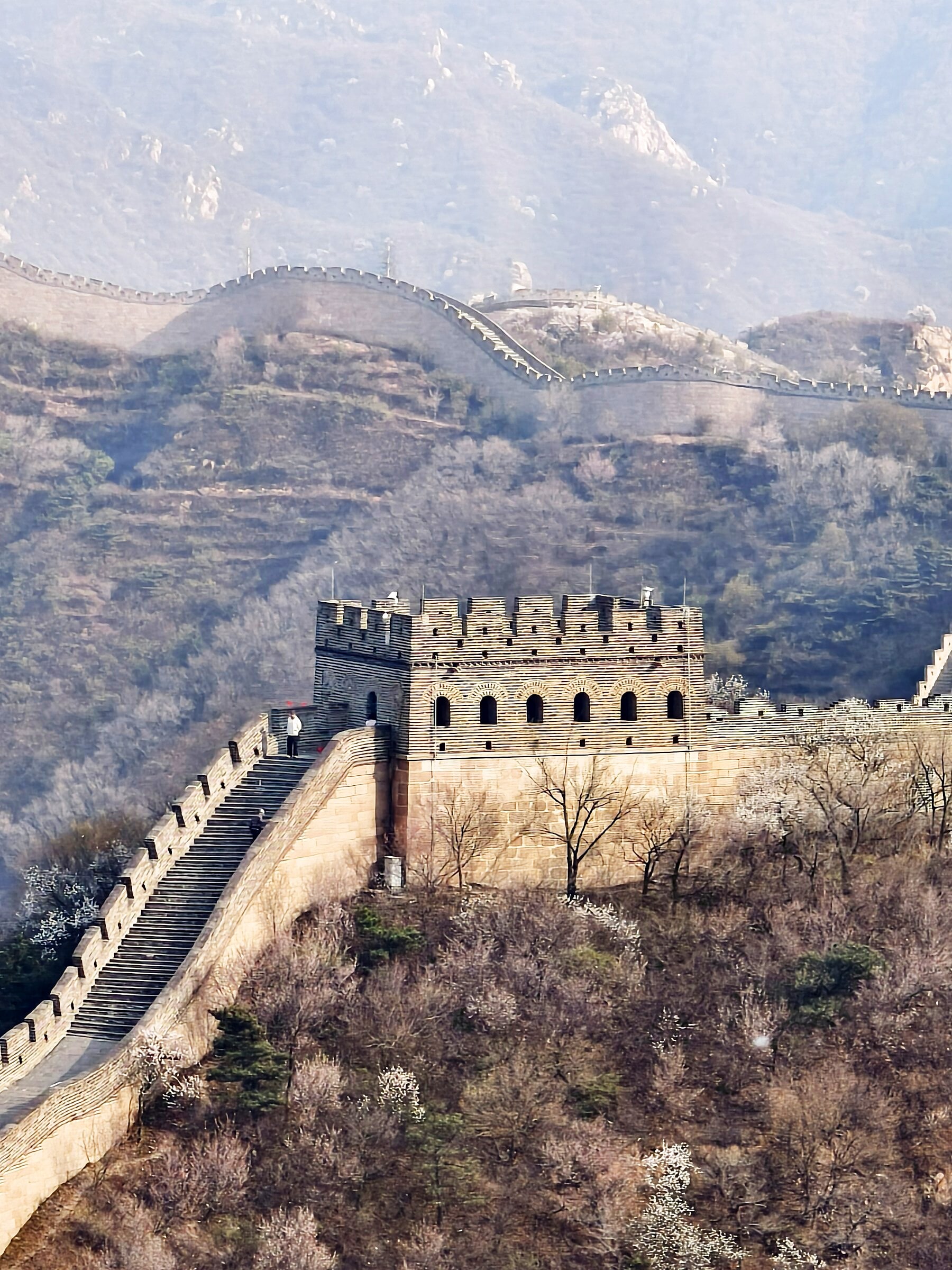
Classic first China
Beijing + Xi’an + Shanghai
Best default if you want famous history, food, museums, and a clean first map of China.
Walking: MediumHotel changes: 2-3Transfer load: MediumFamily fit: Good with buffers
Start from a national route atlas instead of a blank form. Browse classic first trips, southwest culture, northwest deserts, highland routes, coastal food cities, winter snow, family-friendly journeys, and short stopovers — then test whether your chosen route can work in real life.
For a first China trip, the strongest routes usually start from one thing that matters most: iconic history, dramatic scenery, food, soft countryside, old-town atmosphere, or family comfort.
Many travelers save Beijing, Xi’an, Zhangjiajie, Guilin, Chengdu, and Shanghai together. The hard part is not desire - it is protecting rhythm.
A route with fewer hotel changes, clearer transfer logic, and one protected scenic anchor often feels richer than an overloaded “see everything” loop.
What you can actually see: mountains, rivers, old towns, skylines, gardens, deserts, villages, and seasonal landscapes.
What you can experience: dynasties, minority villages, temples, tea, markets, crafts, city life, and local traditions.
What you can eat: regional dishes, snacks, noodles, hotpot, tea, markets, and meals worth planning around.
How each place works in a real itinerary: days needed, who it suits, what to avoid, and how to combine it.
A first-time visitor should not need to know every province before getting value. Pick the closest travel style, see a simple direction, then decide whether to compare more route maps or ask for a private route suggestion.
Best default if you want famous history, food, museums, and a clean first map of China.
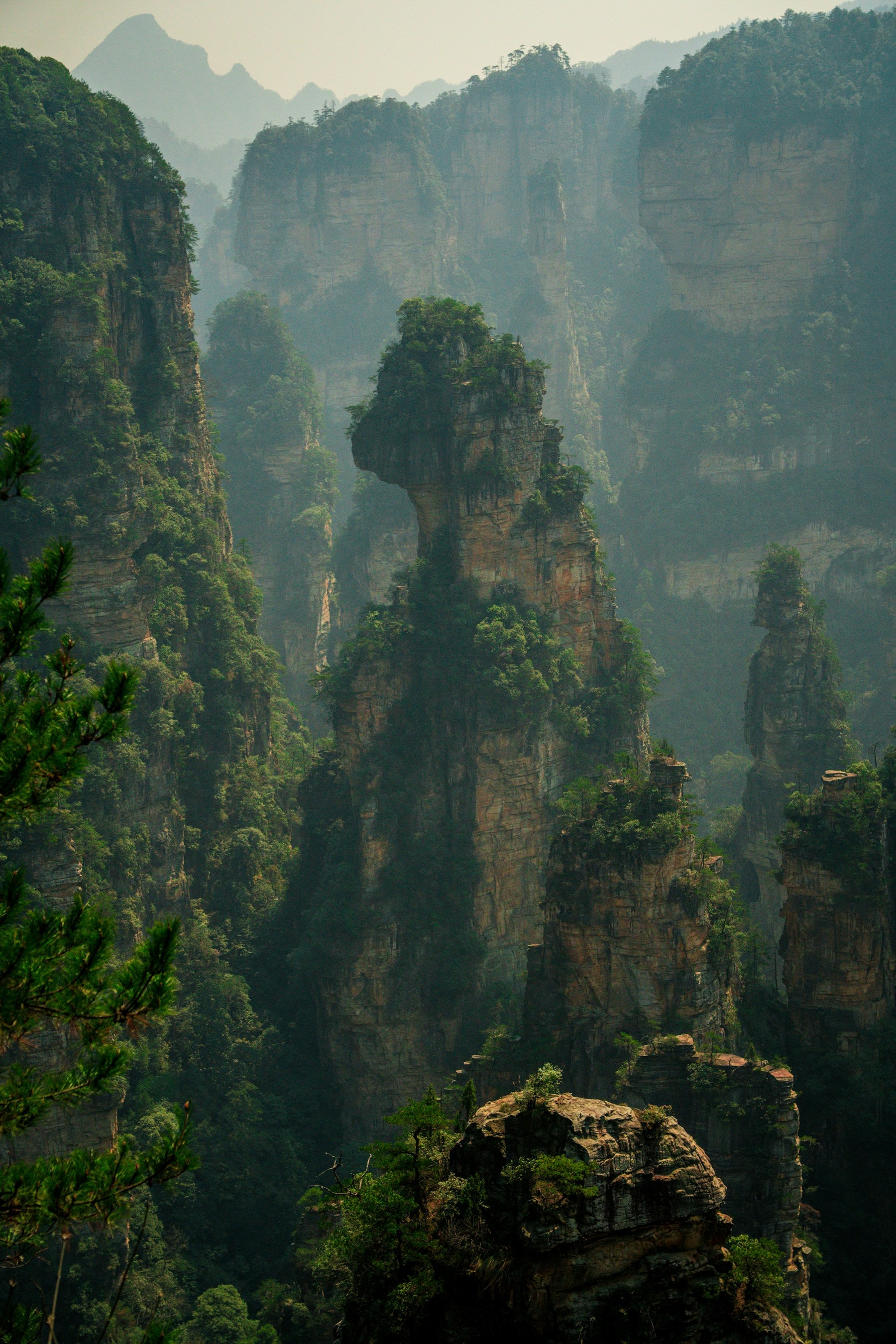
Best if the trip needs one unforgettable mountain anchor, with enough protected nights and weather backup.
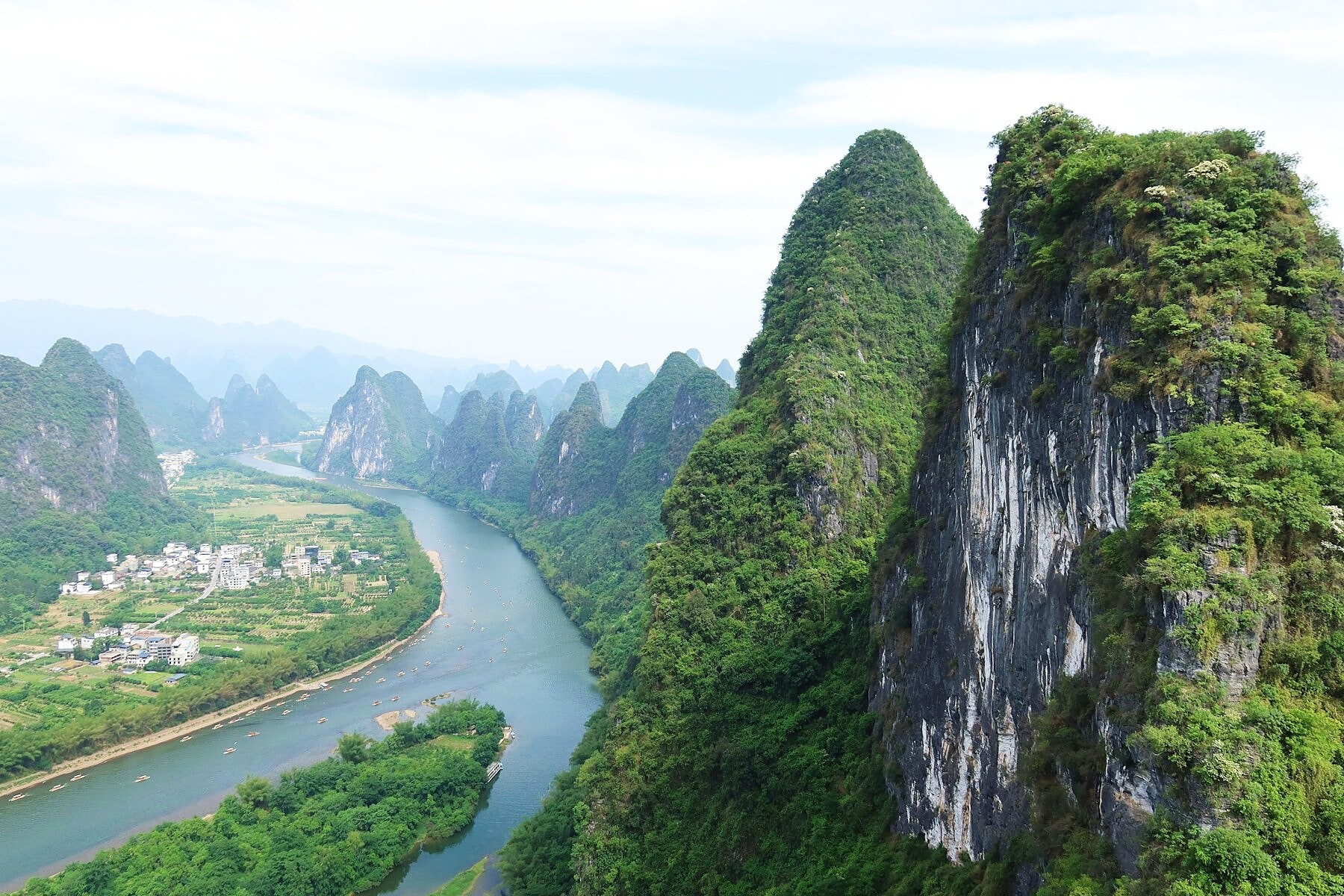
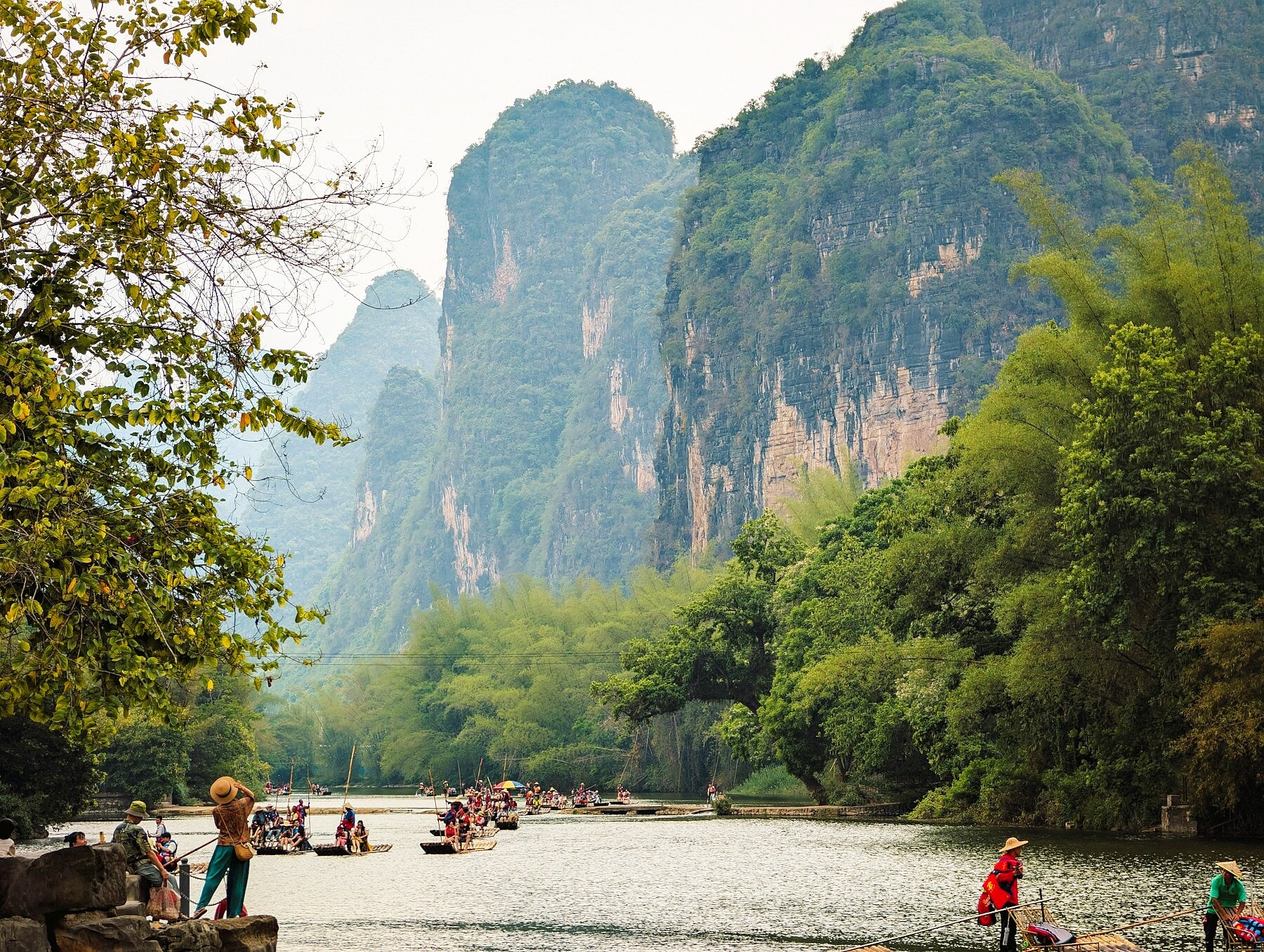
Best if you want rivers, countryside, calmer hotels, and less hard walking than big mountain routes.

Best if food, pandas, teahouses, and slower city rhythm matter more than landmark counting.
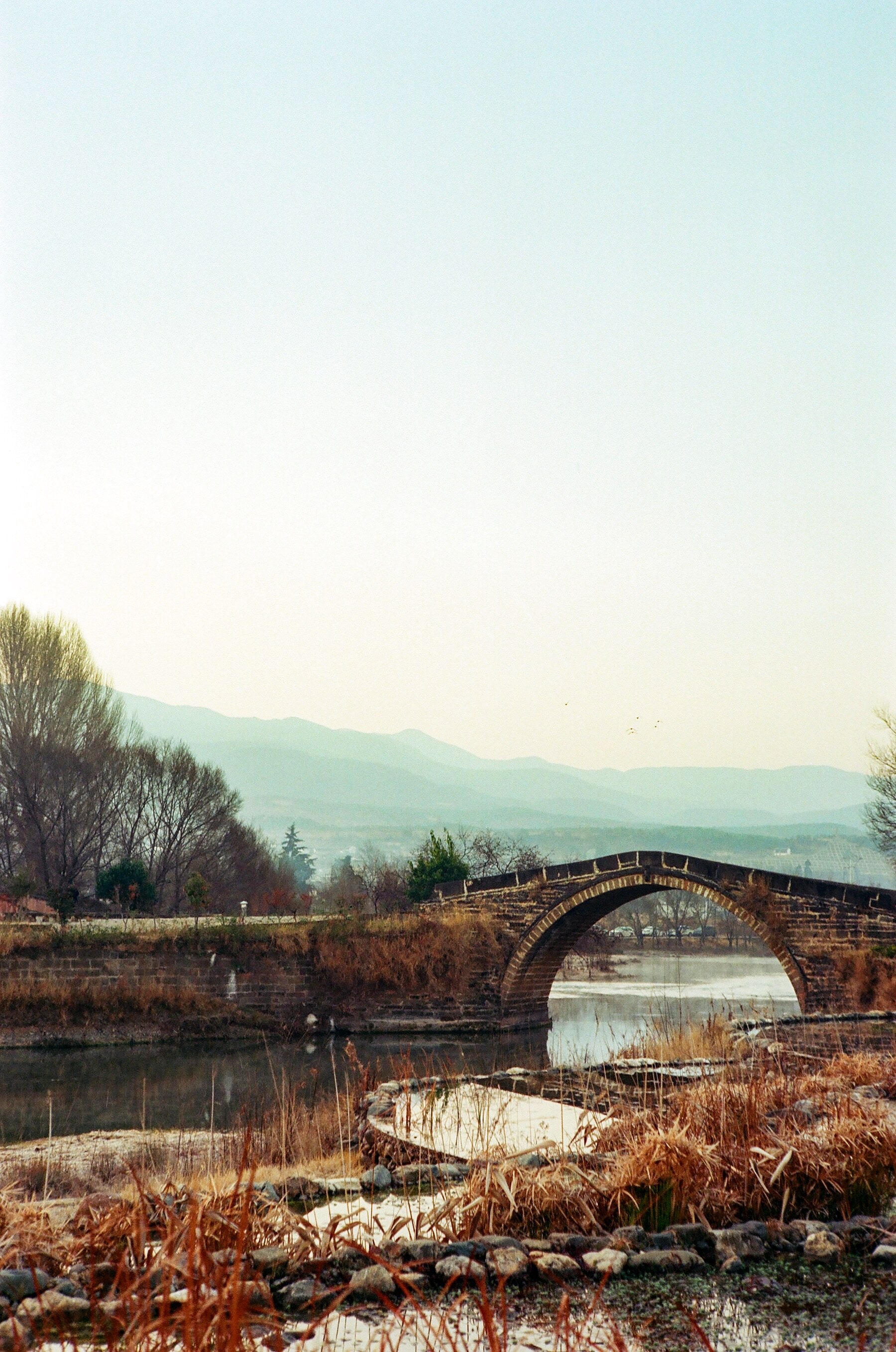
Best if you want texture, old streets, tea, villages, gardens, and slower days.
Best if comfort, walking load, grandparents, kids, meal flexibility, and transfer time shape the route.
Choose one clean shape: classic cities, one scenic region, or one city pair plus one soft extension.
Add one major scenic or food/culture anchor, but avoid stacking Zhangjiajie + Guilin + Chengdu together.
Combine classic culture, one scenic anchor, and a slower regional layer without changing hotels constantly.
Too many add-ons can break the clarity of Beijing + Xi’an + Shanghai.
Zhangjiajie, Huangshan, Jiuzhaigou, Tibet, and frontier routes need protection, not squeezing.
Walking load, queues, train stations, and meal rhythm matter more than landmark count.
Yunnan, Guizhou, or old-town routes need slower pacing and should not be judged like city-hopping itineraries.
Each card brings selected scenery, folk culture, food, and route atmosphere directly into this website, so travelers can feel the destination before filling a form.
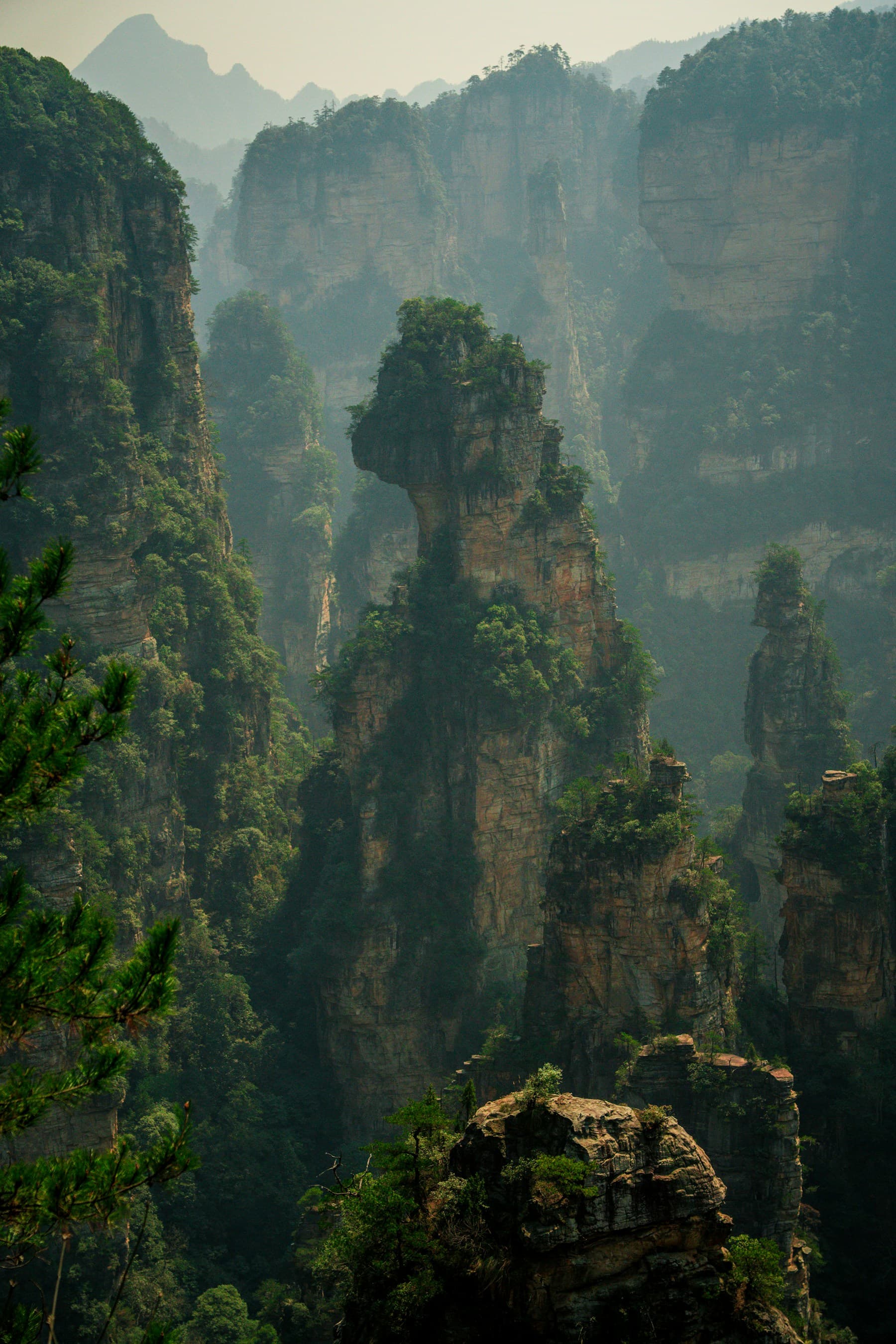
Vertical sandstone pillars, forest, mist, and dramatic mountain scenery.
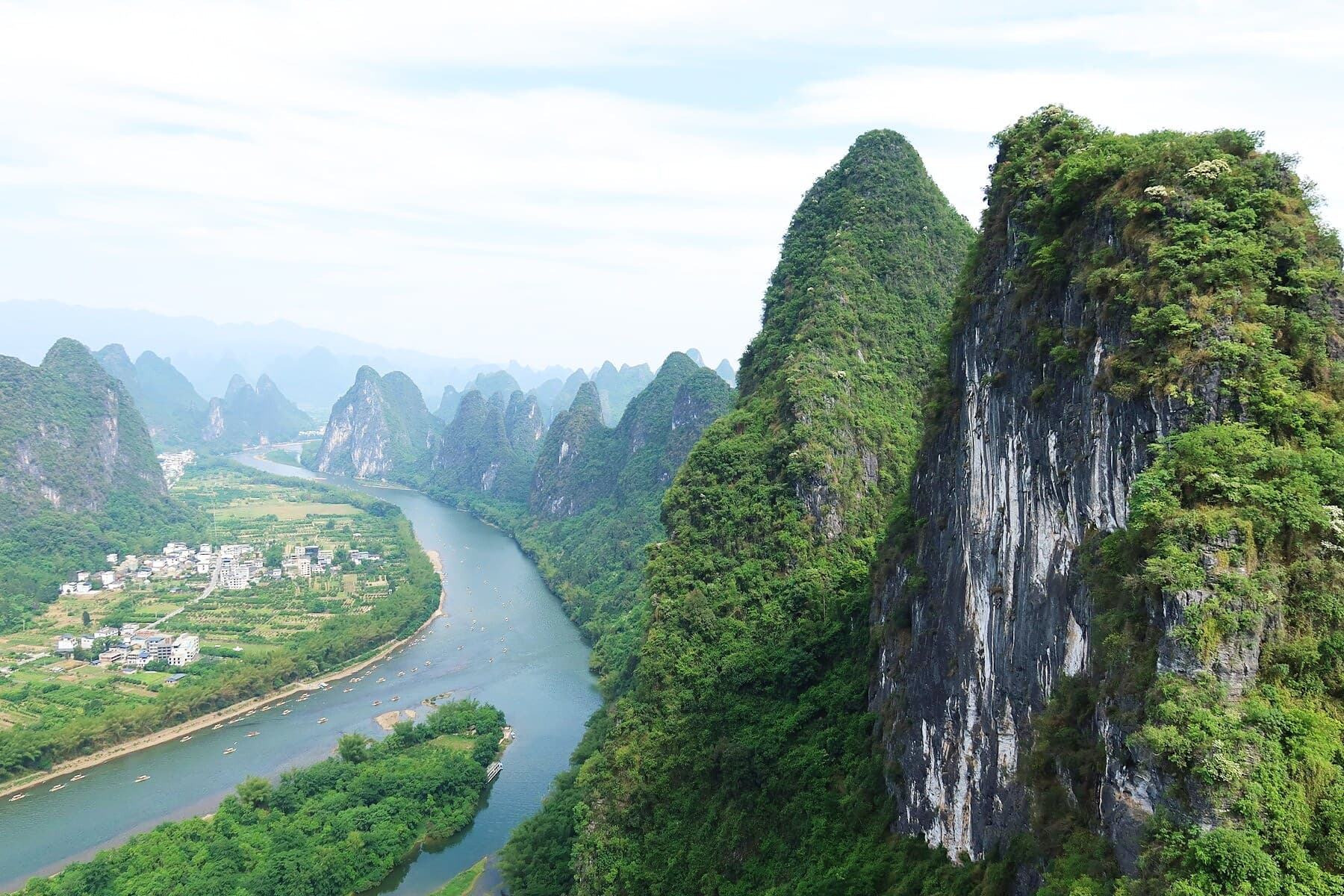
Soft karst peaks, Li River scenery, countryside pacing, and relaxed southern China atmosphere.
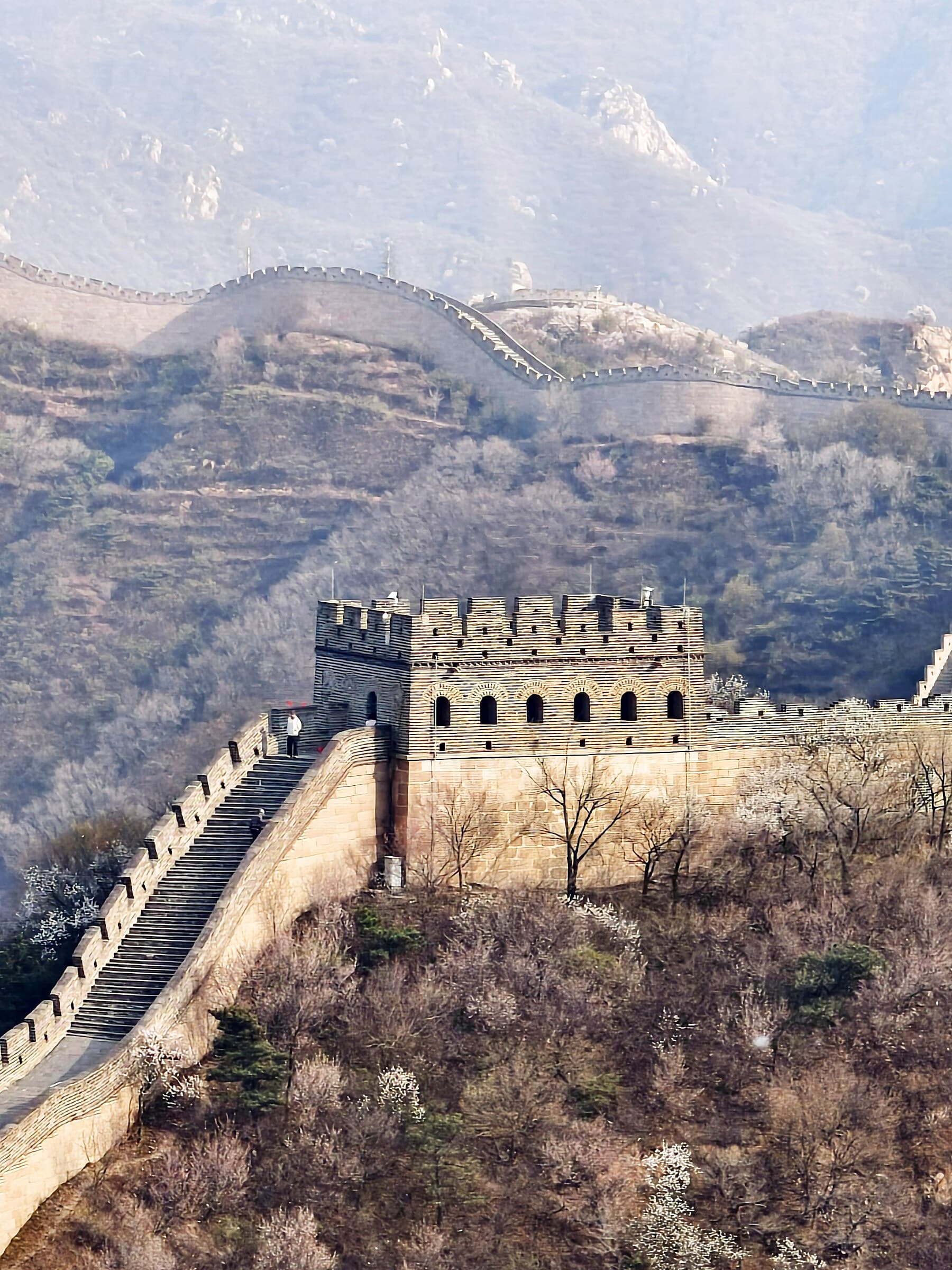
Imperial Beijing, Great Wall ridgelines, Terracotta Warriors, and the safest classic first-China story.
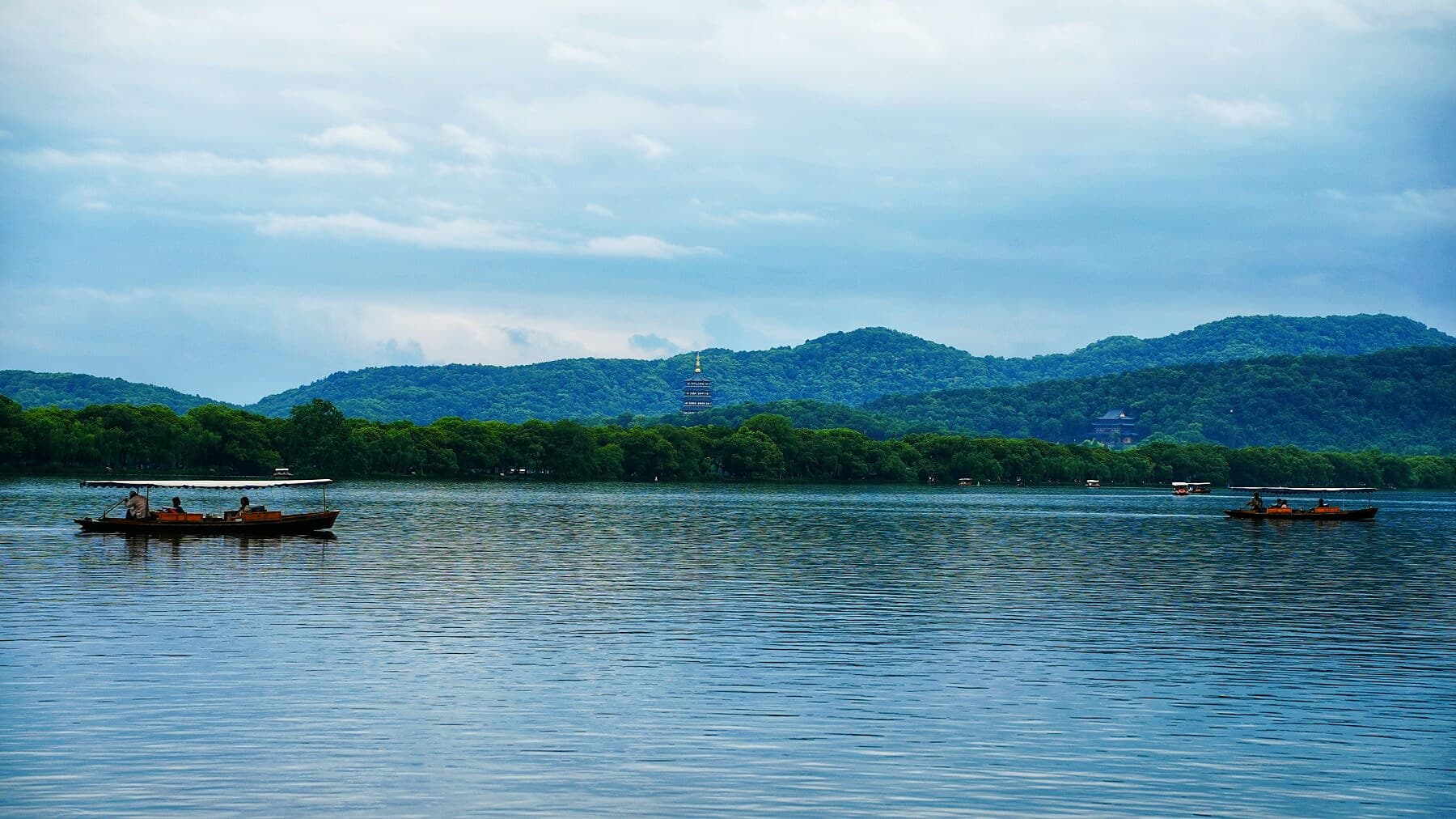
Classical eastern China: Yellow Mountain ridgelines, lakes, gardens, water towns, tea culture, and poetic scenery.

Pandas, spicy food, teahouse pace, and a softer city base for Sichuan travel.
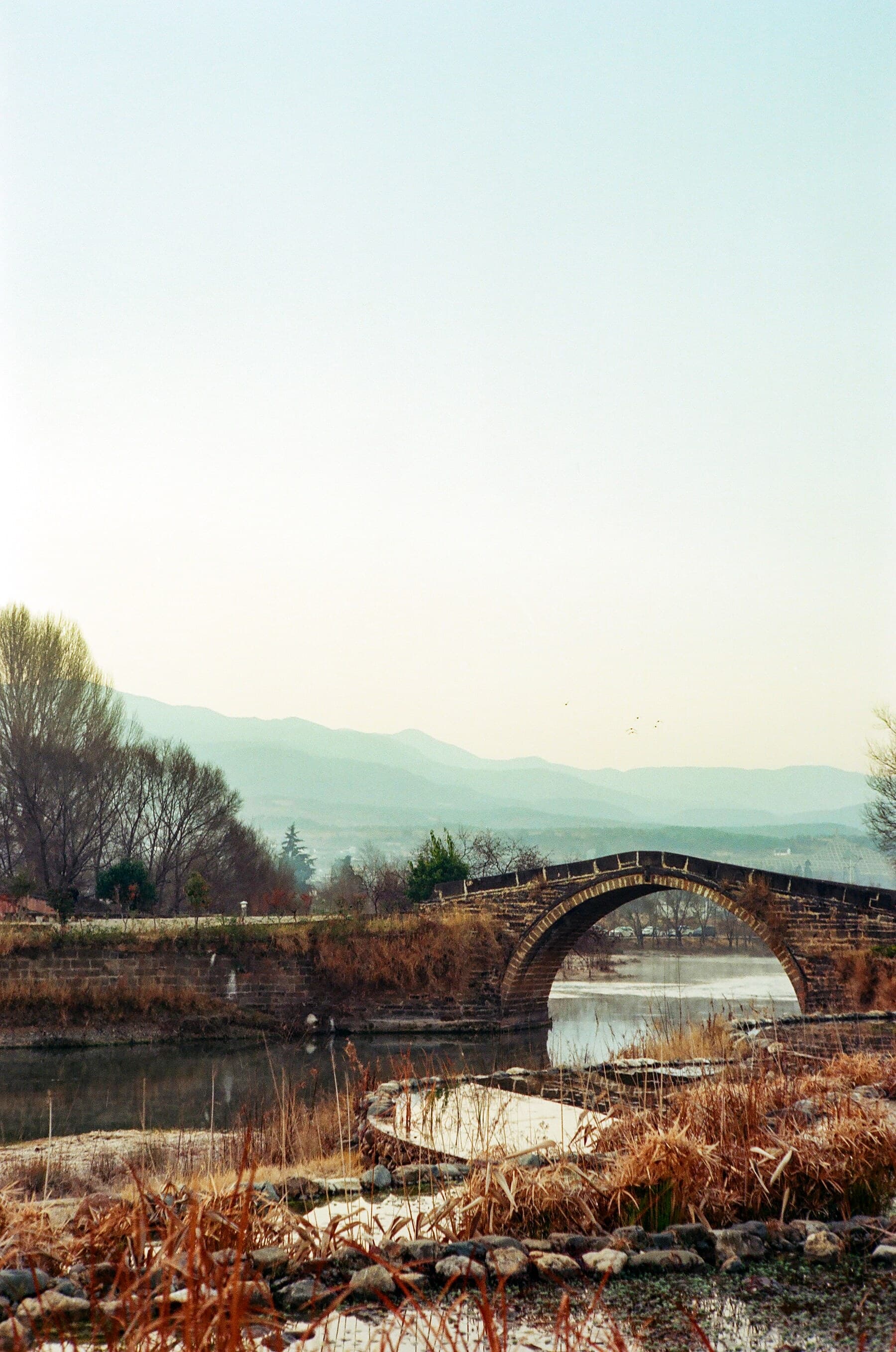
Old towns, slower streets, lake light, markets, and highland atmosphere.

Ancient trade-route imagination: imperial starting point, frontier history, desert distances, grotto art, and wide northwest horizons.
China is easier to understand when routes are grouped by experience: huge scenery, folk culture, food, old towns, family comfort, or seasonal atmosphere.
Best starting points: Zhangjiajie, Guilin/Yangshuo, Huangshan, Xinjiang, Qinghai, Tibet, Inner Mongolia, or Gansu desert routes.
Look at Guizhou, Yunnan, Fujian Tulou, Guangxi terraces, Tibet, Shanxi heritage, Anhui Hui villages, and old-town routes.
Start with Chengdu, Chongqing, Xi’an, Guangzhou/Shunde, Shanghai lanes, Qingdao seafood, Xinjiang bazaars, or Changsha.
Choose softer logistics: Shanghai + Jiangnan, Guilin/Yangshuo, Chengdu, Hangzhou/Suzhou, or one-city short routes.
Compare Beijing hutongs, Pingyao, Xi’an, Suzhou gardens, Lijiang/Dali, Huangshan villages, Fenghuang, and Fujian Tulou.
Use Harbin, Changbai Mountain, Beijing/Xi’an winter culture, Yunnan spring, Jiangnan tea seasons, or autumn Huangshan/Benxi.
The journey should feel simple: discover the China you want → shortlist what matters → check if the route is realistic → design the trip with better judgement.
Pick scenery, culture, food, or travel feeling first — not a city name.
Compare what each place offers and whether it fits your time, group, and energy.
Use AI or simple route logic to turn that preference into a starting route instead of a blank page.
We review pace, transfers, season, walking load, payment/language friction, and missing details.
After you choose a direction, we can shape a calmer bespoke journey instead of forcing a generic route.
The Atlas helps people browse. These shortcuts move high-intent visitors from inspiration into a free route reality check before they book.
Cut city count before the trip becomes a transfer schedule. Keep the classic core or one scenic anchor.
Use Zhangjiajie as a real scenic anchor with nights, park logic, and a weather buffer.
Guilin and Yangshuo work better with slower river days, countryside time, and fewer hotel changes.
Instead of only browsing destinations, choose a draft route by days, gateway city, region, theme, and comfort level. Every card is a starting point for a free feasibility check, not a fixed package.
Now includes 81 route directions across China: classic first trips, Jiangnan, Shandong, Henan, Shanxi, Sichuan, Yunnan, Guizhou, Guangxi, Hunan, Fujian, Guangdong, Hainan, Gansu, Ningxia, Qinghai, Xinjiang, Tibet, Inner Mongolia, and Northeast winter routes. Every route card shows at least three matched visual examples so travelers can compare the route idea visually before submitting a check.
Each destination is framed as a decision card: what it feels like, what it demands from the route, and what to check before committing.
A high-impact nature destination for travelers who want the "Avatar mountain-feeling, cable cars, cliffs, mist, and huge vertical scenery.
A gentler nature route with rivers, karst peaks, countryside, small-town evenings, and easier pacing than most famous mountain areas.
The clearest route for travelers who feel overwhelmed: imperial history, ancient capital culture, and modern China in one understandable line.
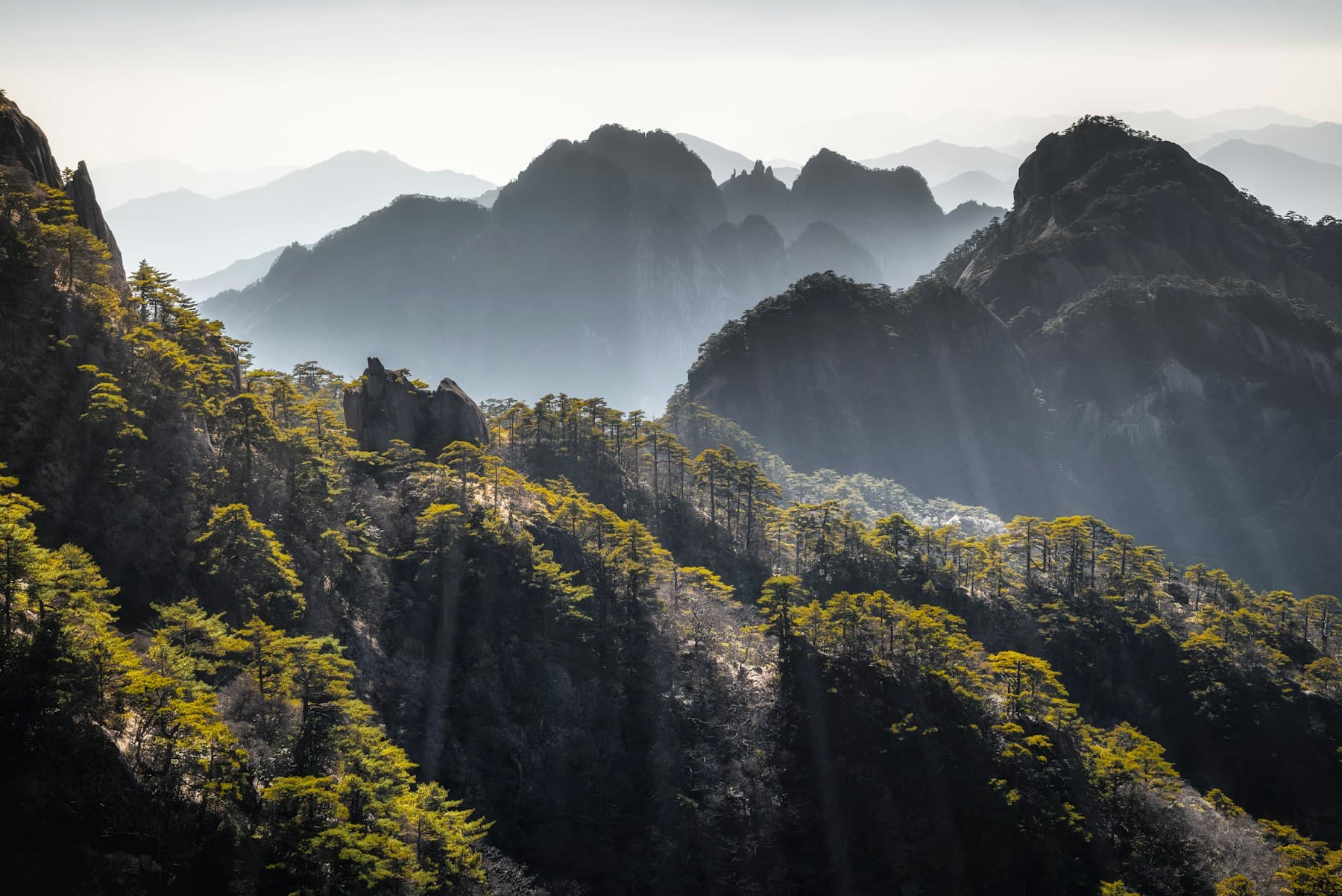
A route for travelers who want misty mountains, pine trees, old towns, canals, gardens, tea culture, and a more poetic China feeling.
A friendly city base with pandas, teahouses, hotpot, relaxed daily life, and optional scenic extensions like Leshan, Emei, or Jiuzhaigou.
A culture-rich, slower route with Dali, Lijiang, Shangri-La, markets, highland views, minority culture, and boutique atmosphere.
Start with Beijing + Xian + Shanghai, then choose one scenic anchor only if days allow.
Choose Zhangjiajie for drama, Guilin/Yangshuo for softer scenery, or Huangshan for classical mountain atmosphere.
Prefer Guilin/Yangshuo, Chengdu, Beijing/Shanghai with slower pacing; be careful with Zhangjiajie stairs and mountain transfers.
Chengdu/Sichuan, Xian, Guangzhou, Yunnan, and Shanghai should be considered before remote scenic regions.
Yunnan, Guizhou, Huangshan/Jiangnan, Xian, Beijing, and Silk Road routes create more cultural depth.
Do not chase everything. Pick one classic route or one scenic region and make the days comfortable.
Tell us the scenes you like, your travel month, group type, and what feels confusing. The first reply can suggest whether Zhangjiajie, Guilin, Yunnan, Huangshan, Chengdu, or a classic city route fits better.
High-end China planning should feel considered, not pushy. We make the first deliverable concrete: a private route reality check that tells you what is workable before a bespoke planning conversation begins.
The first step is a route reality check, not a deposit, card form, or forced quote.
Your request is not posted publicly and is not mass-sent to agencies for bidding.
We check pace, transfers, scenic buffers, walking load, weather, payments, language, and hotel-area logic.
If deeper design is useful, we explain the planning gap before asking you to continue.
Once a traveler chooses the scenery, culture, food, and pace they care about, ChinaVoyage can test the rough idea against real China logistics before shaping a calmer bespoke journey.
Help me choose from my shortlist