Verdict
Amber-green: Yunnan is a strong slow-culture route, but only if altitude, old-town repetition, and transfer rhythm are designed deliberately.
This sample reviews a Kunming, Dali, Lijiang, and Shangri-La route where the atmosphere is strong, but altitude, old-town repetition, transfer rhythm, and season decide whether the trip feels deep or tiring.
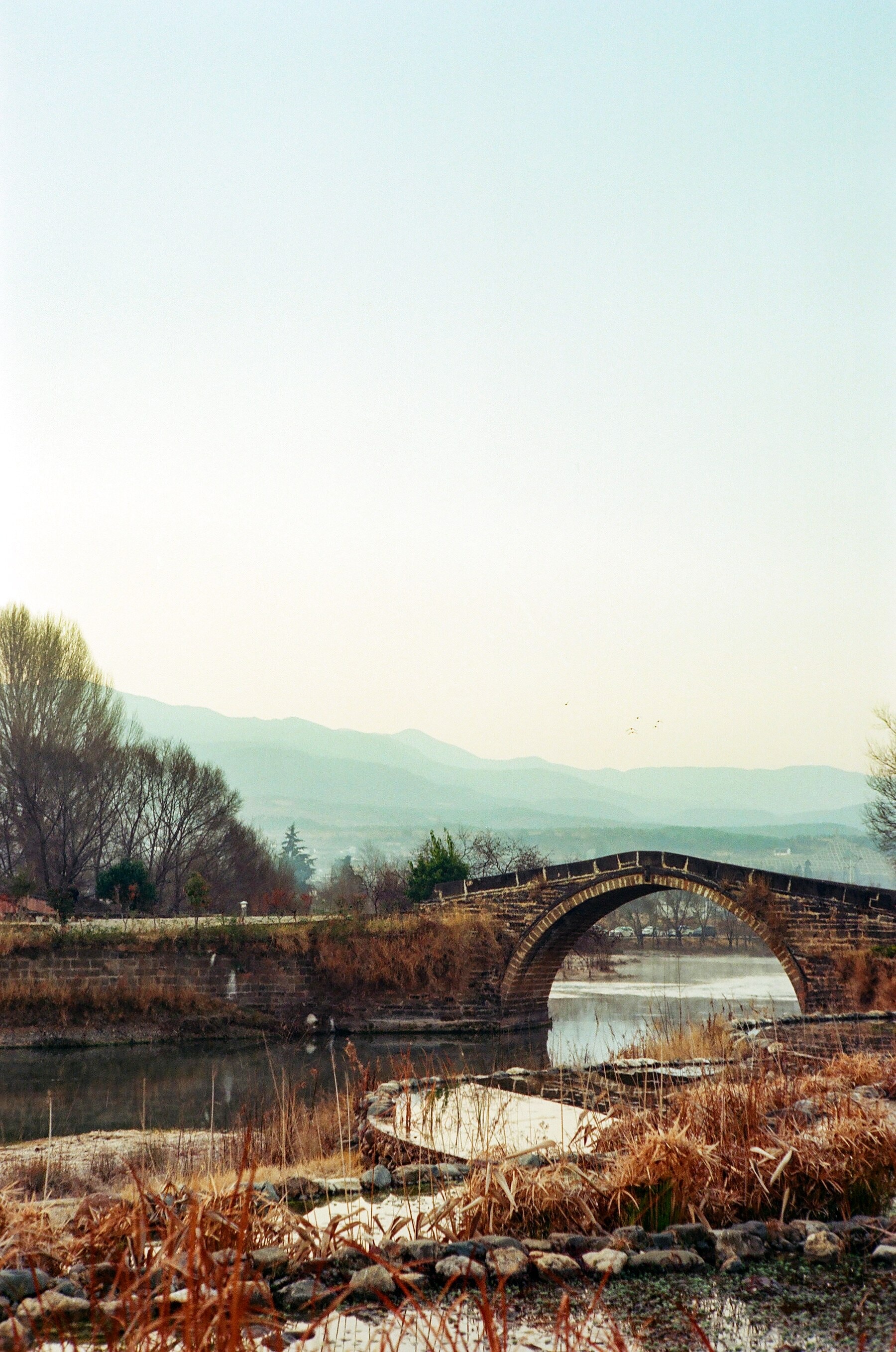
Amber-green: Yunnan is a strong slow-culture route, but only if altitude, old-town repetition, and transfer rhythm are designed deliberately.
Kunming · Dali · Lijiang · Shangri-La can work beautifully for travelers who want texture, markets, mountain air, and boutique atmosphere.
Do not lock every old-town hotel or Shangri-La leg before checking altitude comfort, season, flight/train logic, and whether each base has a distinct purpose.
Treat Dali as slower lake/countryside time, Lijiang as a cultural and mountain gateway, and Shangri-La as optional depth — not an automatic badge.
Dali and Lijiang are not interchangeable, but both can feel like “old-town time” if the route does not protect markets, villages, lake time, or countryside texture.
Shangri-La adds a different feeling, but it changes the comfort profile. Arrival sequence, walking load, sleep, and season matter more than the map suggests.
Yunnan rewards slower bases. Too many hotel changes can turn a poetic route into road-and-station fatigue.
The value is not checking off Kunming, Dali, Lijiang, and Shangri-La. It is having enough time for evenings, local food, markets, and unforced discovery.
Without deliberate base logic, a slow route can become a string of similar old-town days that never quite build toward a clearer feeling.
Shangri-La is not just “more Yunnan”; it changes comfort, sleep, and the pace the whole route can support.
The best Yunnan trip gives Dali, Lijiang, and Shangri-La different jobs so each base adds something distinct.
Yunnan as the main slow-culture region if the traveler wants atmosphere over a checklist of famous monuments.
Shangri-La, exact hotel bases, intercity transfer mode, extra villages, and whether to combine with Chengdu or keep Yunnan standalone.
Month, altitude sensitivity, walking comfort, preference for boutique towns vs nature, and tolerance for slower travel days.
Yunnan is a good fit if you want China to feel slower, more textured, and less city-heavy. The risk is not that the route is wrong; it is that Kunming, Dali, Lijiang, and Shangri-La are treated as equal checklist stops.
I would first decide whether Shangri-La is essential for you. It adds a different highland feeling, but it also adds altitude, season sensitivity, and comfort questions that should be answered before booking.
Before hotels are locked, give each base a job. If Dali, Lijiang, and Shangri-La all mean “old town plus scenery,” the route may look rich but feel repetitive. The best version protects contrast and slower evenings.