China is not one destination
A first trip, Zhangjiajie mountain route, Yunnan old-town journey, Chengdu food base, and Guizhou village route need very different pacing.
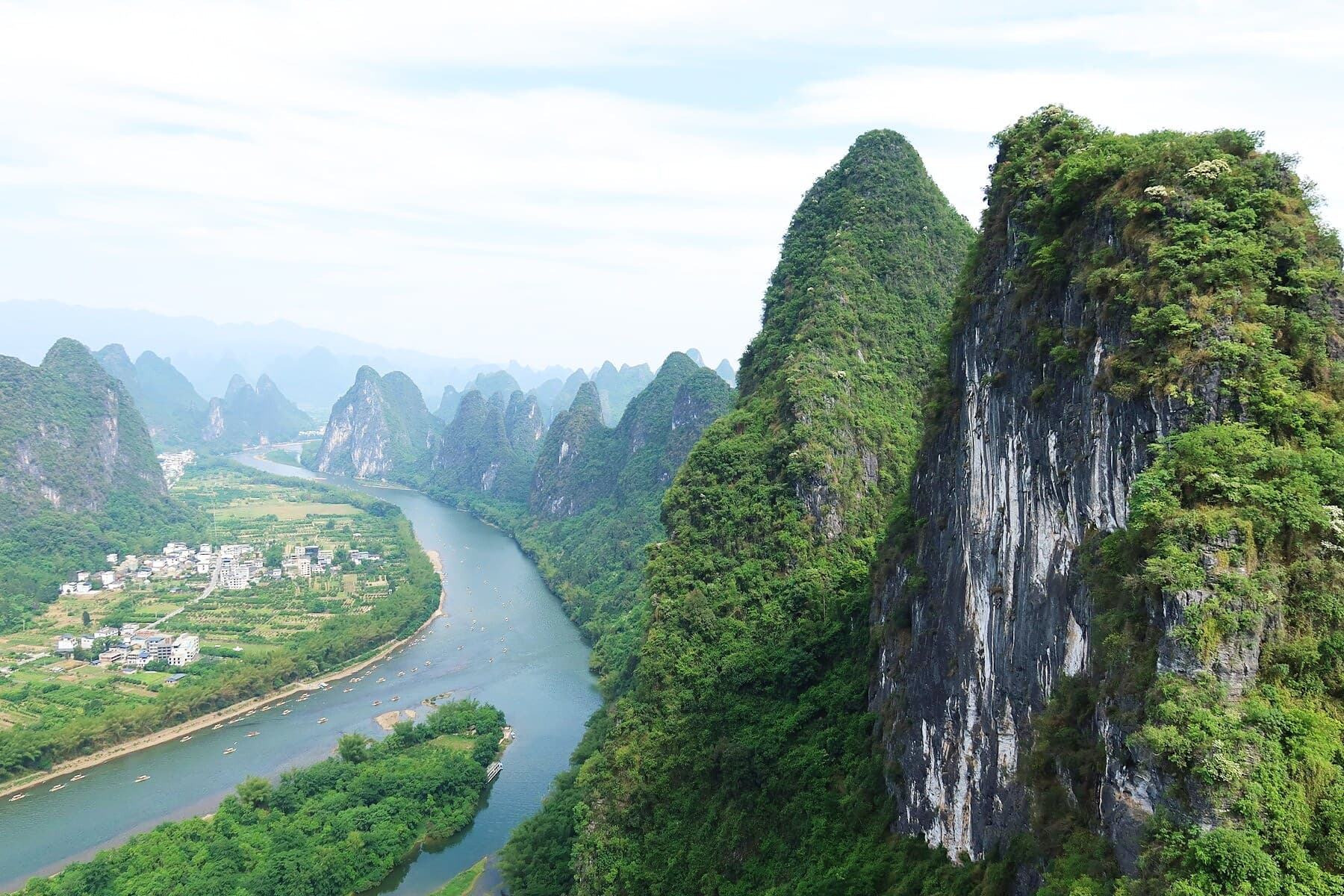
ChinaVoyage is building a bespoke China travel ecosystem: visual discovery, travel worlds, AI route shaping, human route reality checks, and custom planning. The first step is simple: tell us your rough idea, and we check whether it can become a beautiful, realistic journey.
Travel worlds, visual discovery, and route examples create desire before any sales pressure.
The chooser quickly turns that desire into a route shape, so the traveler is never staring at a blank form.
A route specialist checks whether the draft can really work on the ground in China.
Only after the route passes the realism gate do we build the higher-touch journey design.
A first trip, Zhangjiajie mountain route, Yunnan old-town journey, Chengdu food base, and Guizhou village route need very different pacing.
Photos do not show transfer time, queues, weather risk, altitude, train stations, luggage flow, or parent comfort.
We begin with the kind of China you want to feel: dramatic, classic, soft, local, food-first, poetic, or adventurous.
The value is not only booking. It is knowing what to remove, where to slow down, and what sequence actually works.
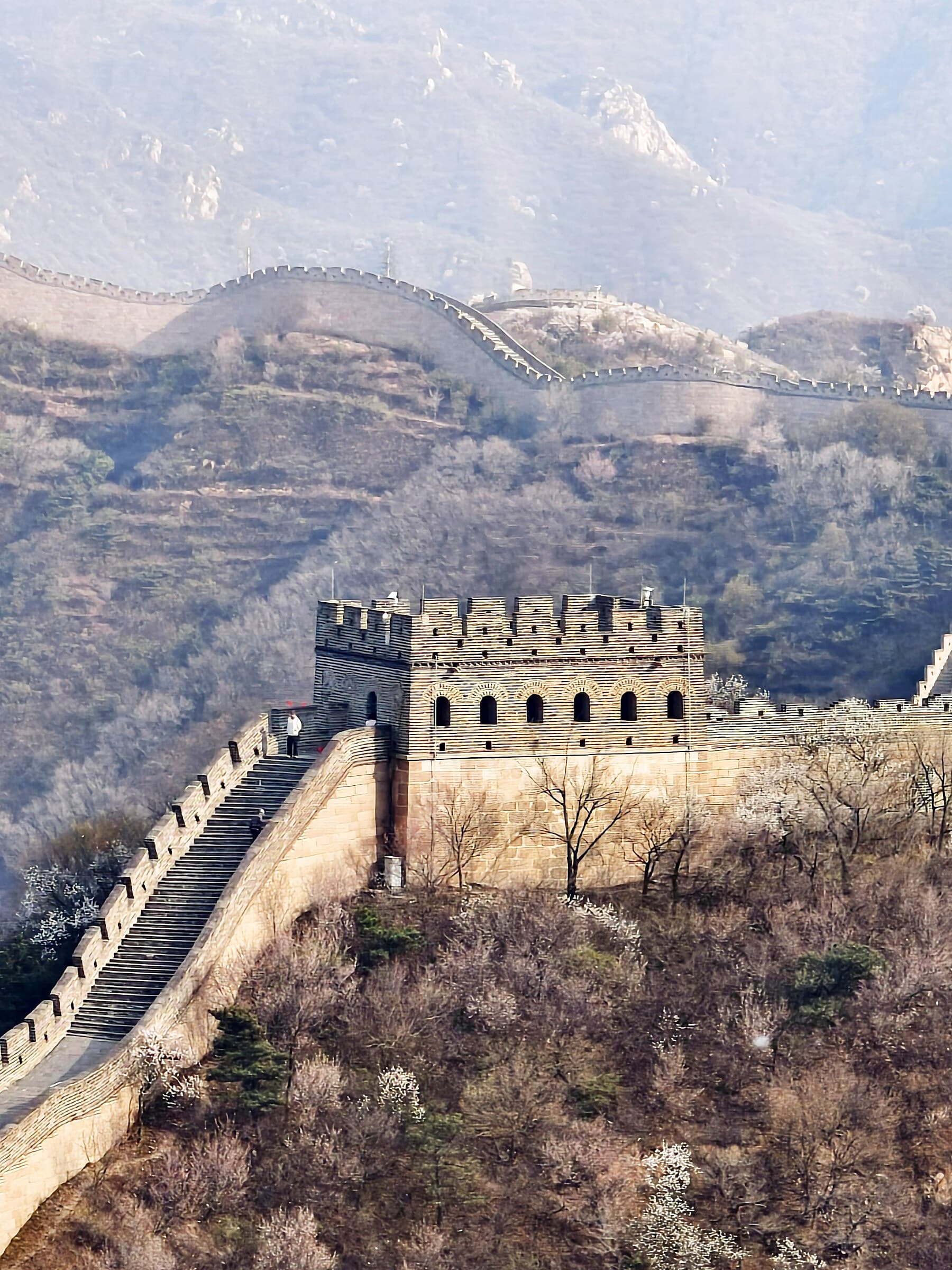
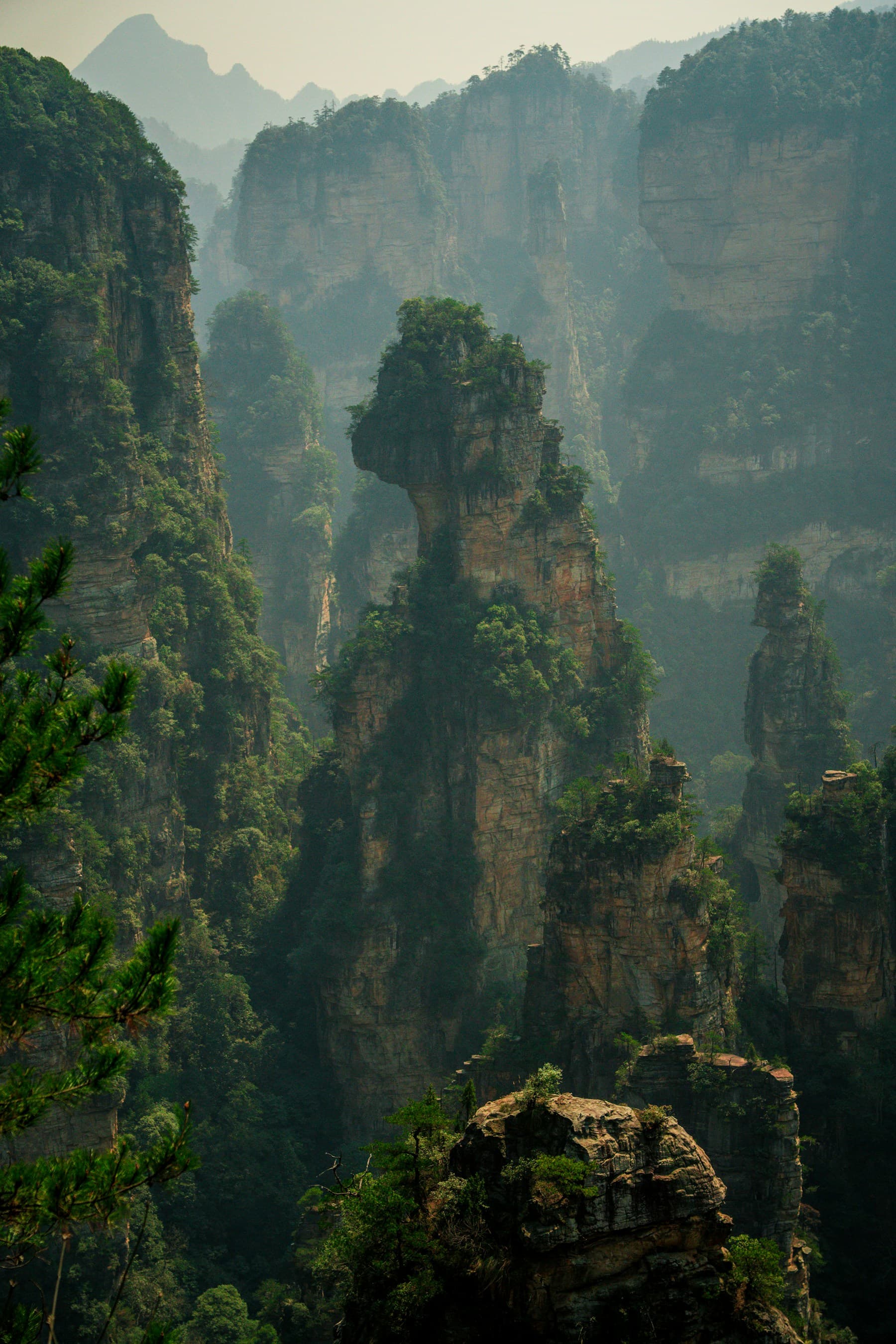
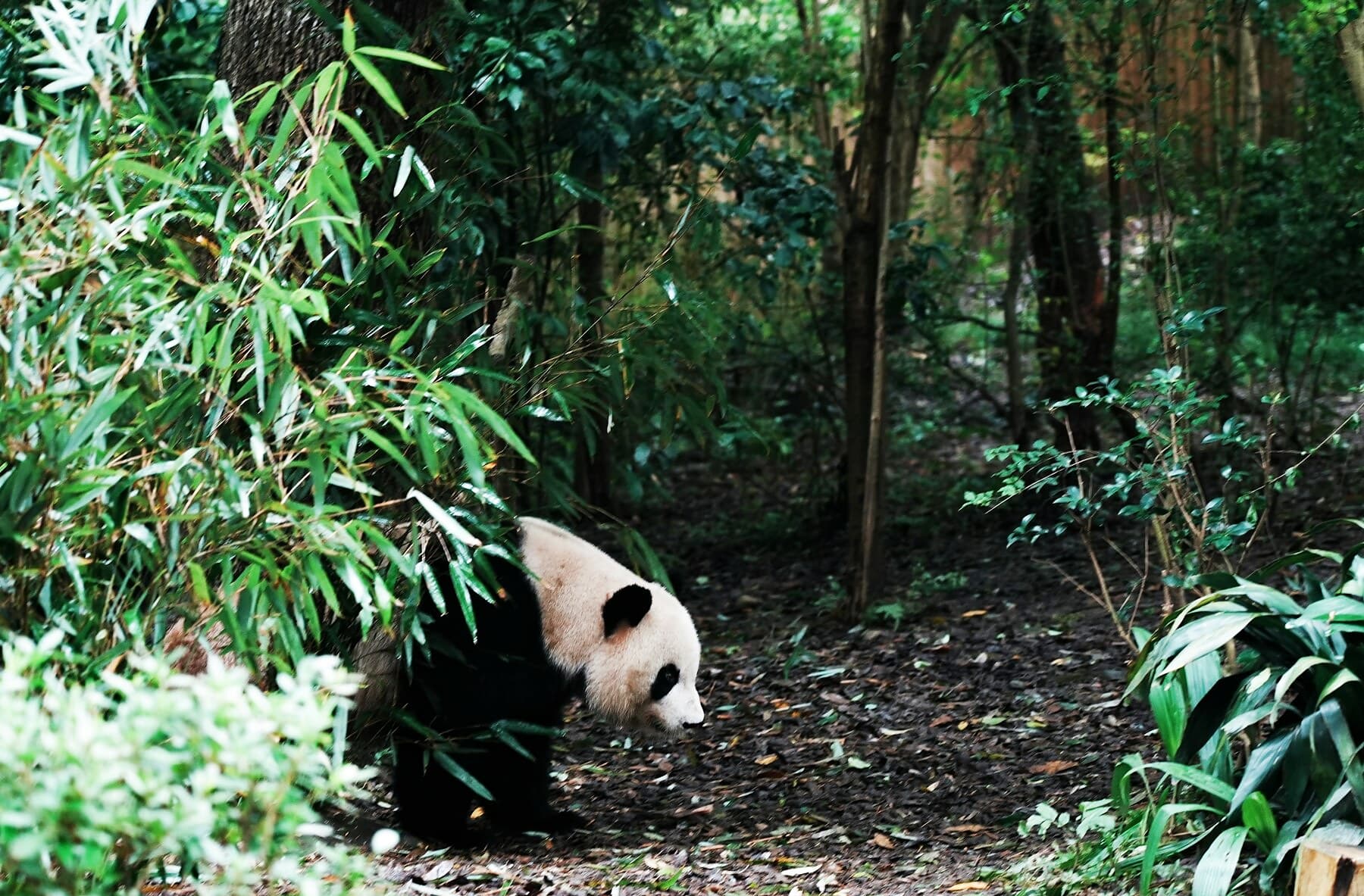
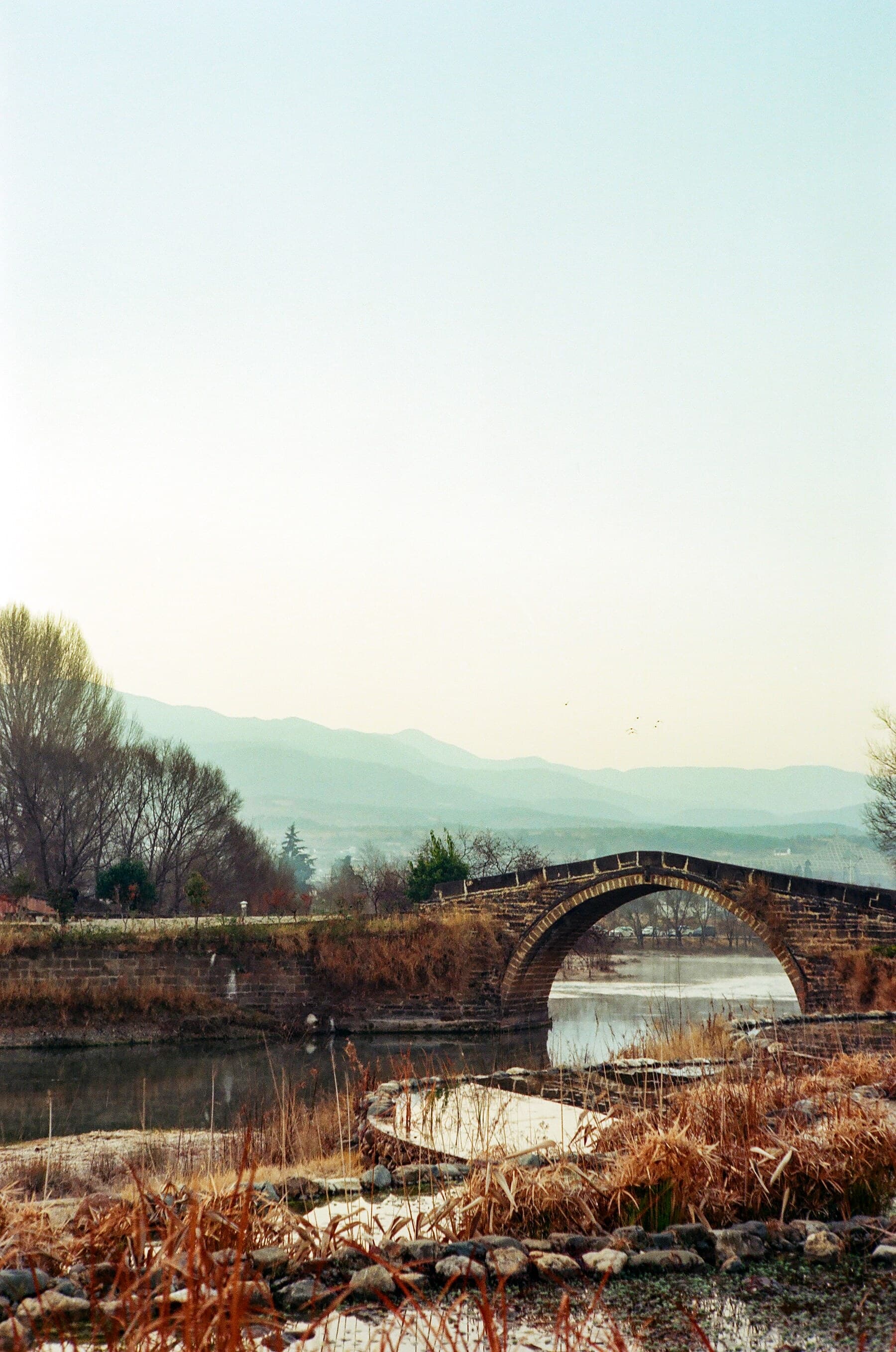
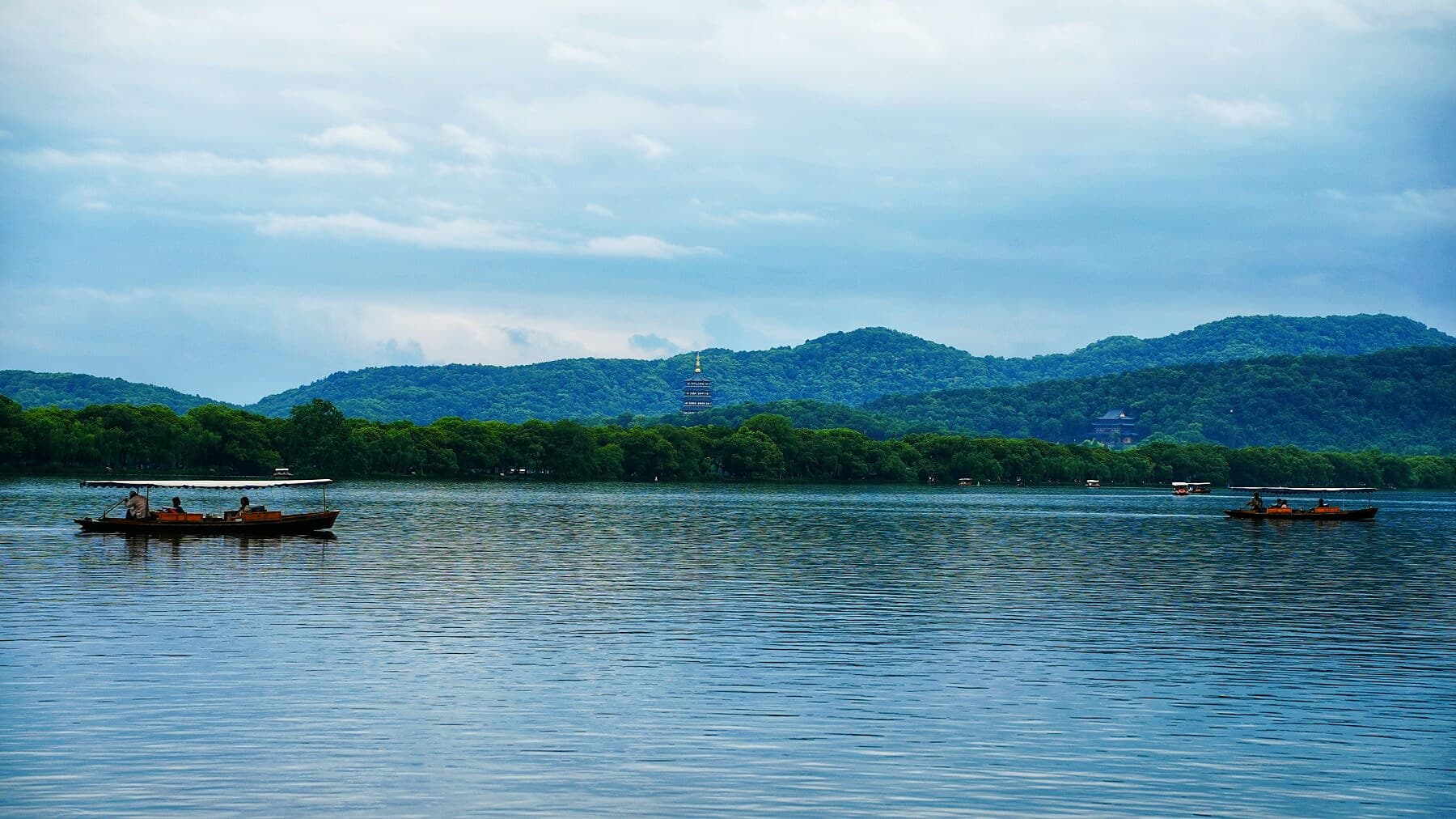
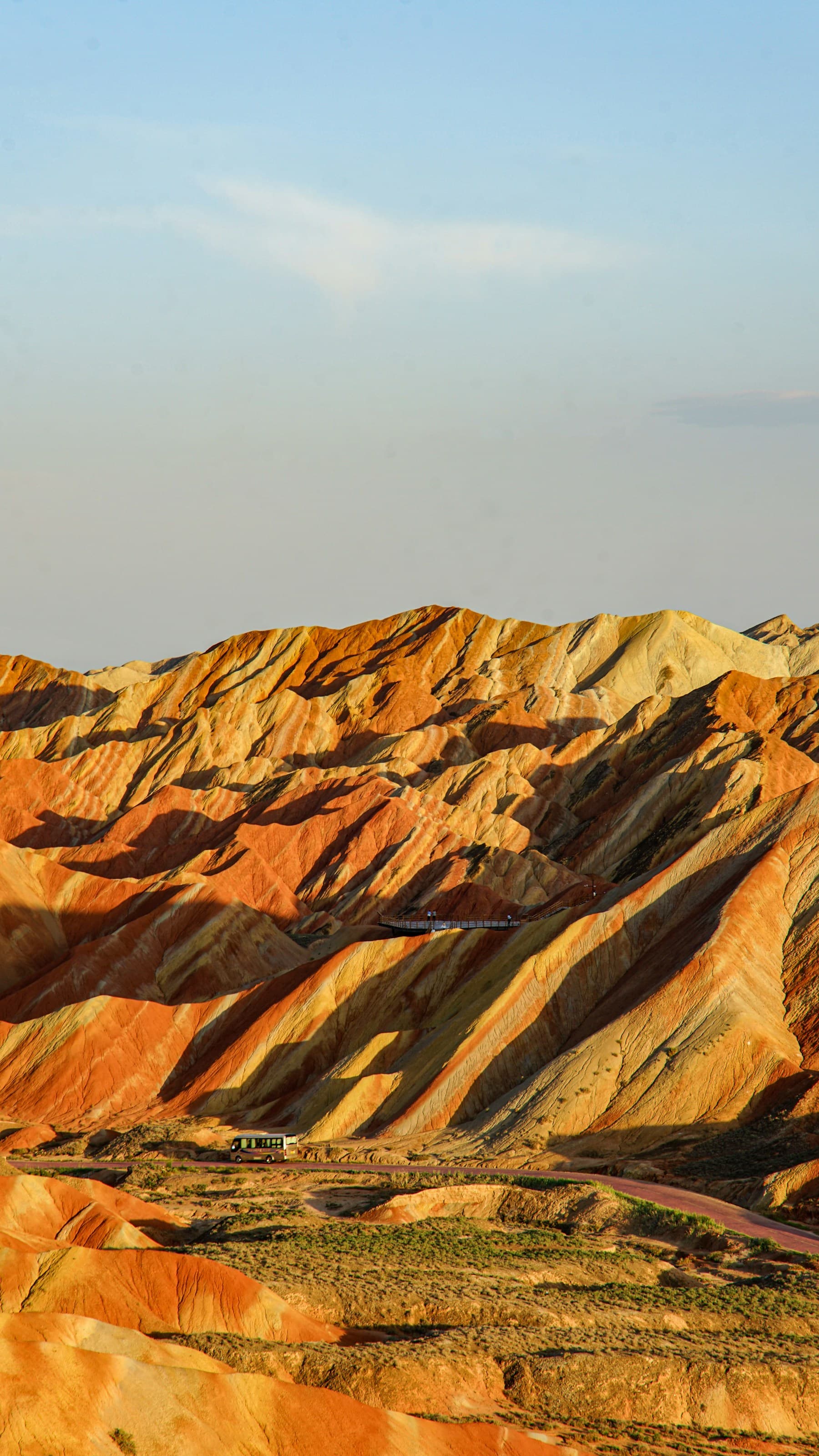
Start from Travel Worlds, verified photos, community questions, or a rough idea.
Turn taste, days, and pace into a first route direction before a human reviews it.
We identify pace problems, transfer risks, scenic overload, season issues, and missing comfort details.
Turn your preferences into a realistic structure: cities, nights, scenic anchors, food/culture moments, and rest days.
Add hotel area logic, train/flight choices, walking comfort, payment/language notes, and optional local support.
A no-payment first step to see if your rough China plan is realistic before you book.
Remove rushed stops, choose the right scenic anchor, and fix order, nights, and transfer logic.
A custom day-by-day route concept with hotel areas, transport logic, food/culture ideas, and route risks.
Future controlled layer: trusted guides, drivers, local experiences, and on-trip support after supplier vetting.
Luxury language, boutique hotels, and beautiful experiences cannot rescue a route whose pacing and transfer logic are wrong.
Travelers trust deeper planning more when they first see that we can say no, simplify, or protect comfort before trying to upsell anything.
Once the route passes the realism gate, bespoke design becomes more valuable because style decisions are being placed on solid structure.
Sometimes the highest-value outcome is a simpler route verdict and one smart change. Bespoke planning becomes powerful after the route itself has earned deeper design attention.
The route shape is coherent, the main scenic/cultural anchor is chosen, and the traveler wants a more polished comfort-and-style design.
The route still has unresolved pace problems, unclear priorities, or a major comfort question that changes everything.
Hotel area logic, premium pacing, food/culture layering, retreat moments, family comfort refinement, and elegant execution details.
High-end China planning should feel considered, not pushy. We make the first deliverable concrete: a private route reality check that tells you what is workable before a bespoke planning conversation begins.
The first step is a route reality check, not a deposit, card form, or forced quote.
Your request is not posted publicly and is not mass-sent to agencies for bidding.
We check pace, transfers, scenic buffers, walking load, weather, payments, language, and hotel-area logic.
If deeper design is useful, we explain the planning gap before asking you to continue.
A good first reply should tell you if the route is realistic - or, if you do not have one yet, which direction is safest to choose - before bookings make the trip hard to change.
“We have 10 days and want Beijing, Xi’an, Zhangjiajie, and Shanghai. First time in China; we are also worried about trains, Alipay/WeChat Pay, and whether English will be enough.”
The route is attractive but fragile. The risk is not just distance; it is hotel changes, big stations, passport-based rail checks, park queues, payment/app setup, language friction, and weather buffer.
Keep Beijing + one scenic region + Shanghai, or extend to 12-14 days if Xi’an and Zhangjiajie are both non-negotiable.
Arrival/departure airports, travel month, walking comfort, whether Alipay/WeChat Pay is already set up, and whether Zhangjiajie is must-see or optional.
Amber: this can become a beautiful first China route, but I would not book all four anchors yet. In 10 days, Zhangjiajie needs protected nights, and your first 48 hours should not combine jet lag, rail confusion, payment setup, and a tight transfer. First confirm airports, month, walking comfort, and whether Xi’an or Zhangjiajie matters more. If Zhangjiajie is the highlight, simplify the rest; if classic history is the priority, save Zhangjiajie for a longer trip.
“Can we fly in, see Zhangjiajie for one night, then continue to Shanghai?”
Zhangjiajie usually needs more than a quick stop because arrival timing, park gates, cable cars, queues, weather, luggage, hotel area, and ticket timing can consume the trip. One night often turns the highlight into stress.
Plan 2-3 nights for Zhangjiajie, or choose a softer scenic stop if the trip is already city-heavy.
Flight/train arrival time, next city, hotel location, must-see scenic areas, ticket flexibility, and whether the group is comfortable with long walking days.
Red for most travelers: one night in Zhangjiajie is usually not a good first-China experience. The place looks simple on a map, but park gates, cable cars, queues, luggage, weather, hotel location, and ticket timing decide the day. I would either give Zhangjiajie 2-3 nights or choose a softer scenic alternative. Before deciding, please share arrival time, next-city departure, must-see area, and walking comfort.
“We are traveling with parents and want Beijing, a scenic place, and Shanghai. We worry about walking, station transfers, toilets, language, and payment apps.”
The route should reduce hotel changes and avoid stacking long transfer days next to heavy sightseeing days. Comfort comes from fewer bases, realistic walking load, station help where needed, and clear rest buffers.
Use 2-3 bases, keep one scenic region, add rest after arrival and before departure, and avoid back-to-back high-walking days.
Ages, walking comfort, elevator/stairs concern, payment app readiness, hotel standard, meal flexibility, and whether private support is needed on complex transfer days only.
Green if we slow the route down from the beginning. For parents or children, the biggest improvement is not a bigger attraction list; it is fewer bases, protected rest, station clarity, and no heavy sightseeing day immediately after a transfer. I would design around Beijing + one scenic region + Shanghai, then add support only on complex days. Please confirm ages, walking/stairs comfort, payment readiness, meal flexibility, and hotel standard before booking trains or hotels.
You can submit a finished route, a messy draft, or a question like Zhangjiajie or Guilin for 10 days? The first reply can be a direction note, not a sales quote.
Free route check. No payment required. Private by default. We return a route verdict, top risks, and the better next move. Usually within 24-48 hours when possible.
Email: 2219783024@qq.com
Example: “10 days: Beijing + Zhangjiajie + Shanghai. Worried about trains, payment apps, and whether Zhangjiajie is too rushed.”
See full sample reviewGreen / Amber / Red, with the reason in plain language.
The hidden issue: rushed transfer, scenic buffer, holiday crowd, weather, walking comfort, or app friction.
What to remove, slow down, reorder, or protect with an extra night.
Dates, arrival city, group comfort, must-see priority, and preferred contact channel.
Amber: the route can work, but Zhangjiajie needs protected weather buffer and you should not add Guilin unless the trip becomes longer. Confirm arrival city, walking comfort, and whether mountain scenery matters more than city variety before booking.
No payment, no card, no public posting, and no outside contact sharing without your confirmation. The first reply is a route reality check.