9 to 10 day Tibet Everest extension route
Lhasa -> Yamdrok -> Shigatse -> Everest Base Camp area -> Lhasa
A high-commitment Tibet route that adds Everest only when permit, season, health, altitude, and road buffers support it.
Day by day, matched to the route family.
The route below keeps the conversion promise clear. Confirm gateway timing, realistic transfers, comfort level, and which optional extension truly belongs before the route is fixed.
Arrive in Lhasa and rest. Make oxygen/medical comfort, permit documents, hotel check-in, and sleep the whole plan. Choose the hotel base first, then use only a light nearby walk or meal so arrival fatigue does not damage the next full day.
Acclimatize in Lhasa with Barkhor or Jokhang-area rhythm only if stable. Confirm whether anyone has altitude symptoms before committing to the road extension.
Visit Potala by ticket window, then add one monastery or city layer by stamina. This is still acclimatization, not a coverage race. Confirm tickets, opening hours, walking load, and the order of the main visit before adding optional neighborhood stops.
Move from Lhasa toward Yamdrok, Gyantse, and Shigatse only if health is stable. Use Yamdrok as the scenic road highlight and continue by daylight and permit logic.
Use Shigatse lightly and check Everest readiness: local rules, weather, road condition, vehicle, permits, and traveler health before continuing. Confirm timing, walking load, and weather before locking the day; if the route compresses, cut optional add-ons before weakening the main stop.
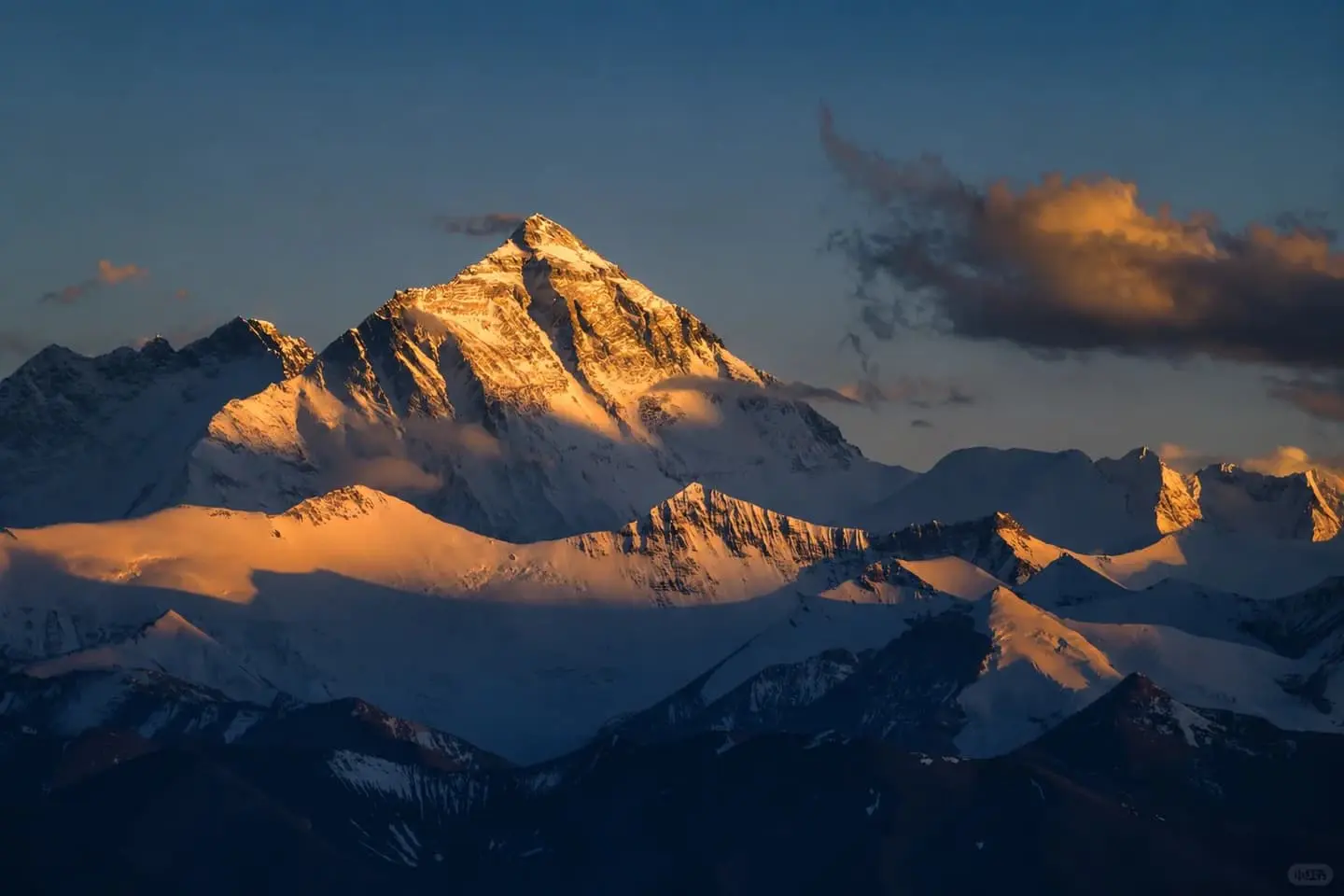
Continue toward Tingri, Rongbuk, or the Everest Base Camp area only when season, permits, and altitude comfort support it. Keep stops conservative.
Use the best weather window for Everest or Rongbuk-side viewing, then start return positioning according to road and health status. Keep the morning close to the hotel, station, or airport, and add only one nearby stop if the transfer time is already secure.
Return toward Shigatse or Lhasa with a real buffer for road delays, weather shifts, and fatigue. This is what makes the Everest extension workable.
Recover in Lhasa or protect the departure buffer. Add missed Lhasa sights, shopping, or a gentle monastery only if everyone feels well. Keep the morning close to the hotel, station, or airport, and add only one nearby stop if the transfer time is already secure.
Depart with no remote road hidden before the flight. If the traveler wants more Tibet scenery, extend the route instead of compressing the final day.
Photos are grouped by day and tied to one visible place.
Open any image for the full-screen viewer. Each image is tied to one route stop or clearly marked extension so the route does not turn into a loose inspiration board.
Each image is tied to one visible stop so the route and photos can be checked together before hotels, trains, or car time are fixed.
Match this route with a travel agency
Highest payoff and highest operational risk in the Tibet set.
Does Everest justify the altitude and road risk for this group?
Does Everest justify the altitude and road risk for this group?
Everest is an extension, not a casual add-on to a standard Lhasa route.
Highest payoff and highest operational risk in the Tibet set.
Confirm Everest permit and seasonal access.
Keep health and altitude judgment conservative.
Protect return buffer before final flight.
If this is not your trip, switch guides.
This page only explains this high-conversion route. To compare Xiamen / Fujian, Suzhou-Hangzhou, Yunnan, Yangtze, Silk Road, and other inbound route families, use the guide cards here or return to the full route set.
All guides