15 to 18 day Grand Silk Road China route
Beijing or Xi'an -> Dunhuang -> Turpan -> Urumqi -> Kashgar -> Tashkurgan
A grand Silk Road route for travelers who want the full long-distance cultural and frontier-geography arc.
Day by day, matched to the route family.
The route below keeps the conversion promise clear. Confirm gateway timing, realistic transfers, comfort level, and which optional extension truly belongs before the route is fixed.
Arrive in Beijing or Xi'an and keep the evening simple near the hotel. This long route should not begin with a post-flight sightseeing chase. Choose the hotel base first, then use only a light nearby walk or meal so arrival fatigue does not damage the next full day.
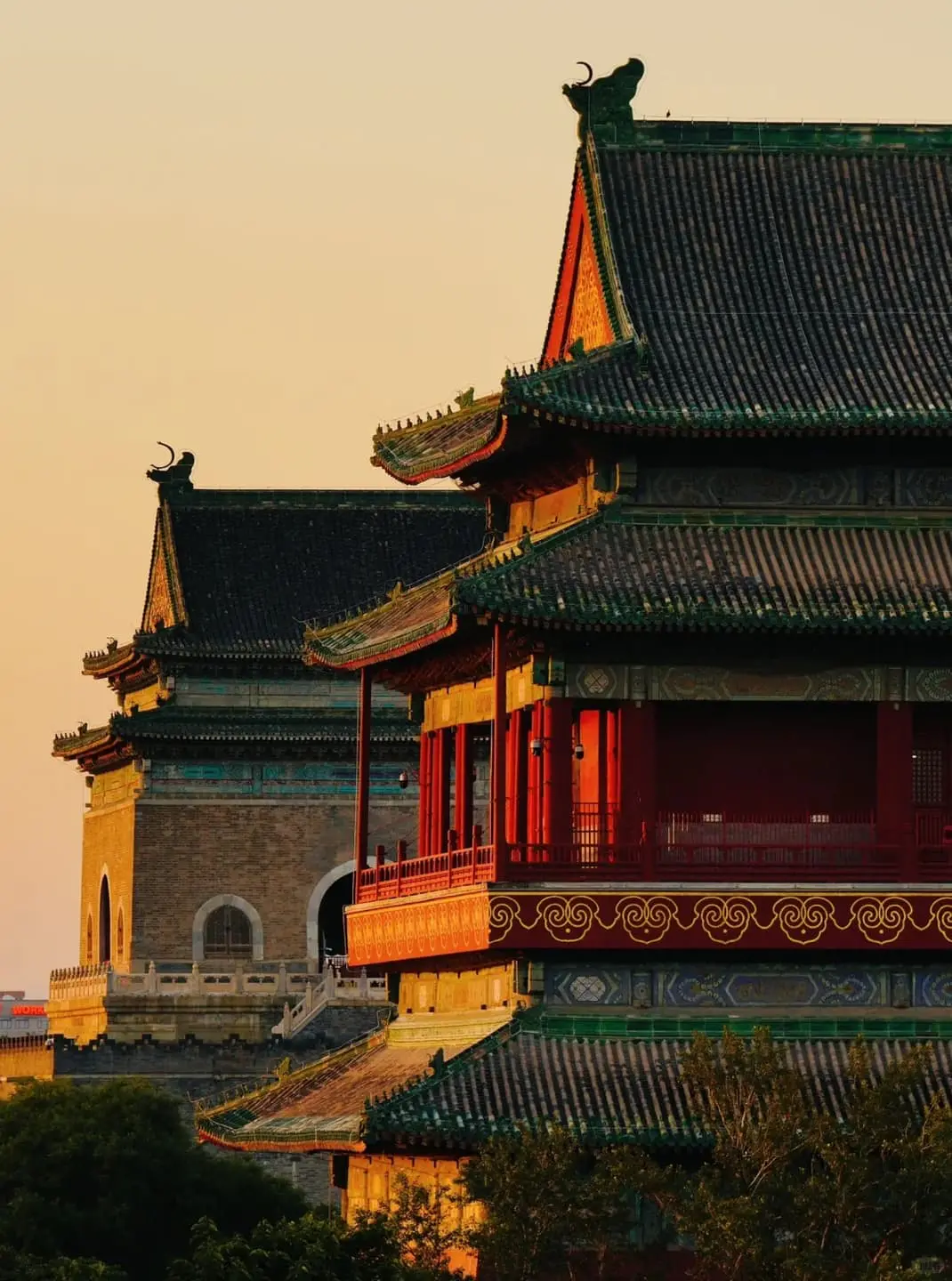
Use one classic gateway spine. In Beijing, choose Forbidden City/Jingshan/hutongs or Temple of Heaven; in Xi'an, choose City Wall, Muslim Quarter, Sajinqiao, and one old-city walk.
Protect the gateway anchor, then prepare for the corridor. Beijing travelers usually keep the Great Wall; Xi'an travelers usually keep Terracotta Warriors.
Move into the Gansu corridor by rail or flight toward Lanzhou, Zhangye, or Dunhuang. Add only a light Yellow River walk or Zhangye town evening if timing is easy.
Use Zhangye Danxia or a corridor stop if included, aiming for the better light window and keeping the stop list disciplined. Treat weather, light, walking load, and queue time as part of the route plan; cut secondary viewpoints before weakening the main scene.
Travel to Dunhuang and settle before the desert chapter. Use Shazhou Night Market or a short city evening only after check-in is stable. Choose the hotel base first, then use only a light nearby walk or meal so arrival fatigue does not damage the next full day.
Put Mogao Caves first around the confirmed ticket window, then use Mingsha Mountain and Crescent Spring in late afternoon or sunset light if heat and wind allow. Confirm tickets, opening hours, walking load, and the order of the main visit before adding optional neighborhood stops.
Use Dunhuang as a buffer and desert repair day: missed cave timing, Yumen Pass/Yardang if road tolerance is high, or a calmer museum, market, or rest block. Use it as a real buffer for weather, tickets, fatigue, or missed stops, not as hidden space for another distant destination.
Move to Turpan or Urumqi. Stay close to Turpan if timing works; otherwise use Urumqi as a transport reset. Protect luggage handling, station or airport time, and hotel check-in before adding sightseeing.
Spend a full Turpan day with Jiaohe or Gaochang ruins, Karez wells, Emin Minaret, grape valley or village texture, and heat-aware pacing. Treat weather, light, walking load, and queue time as part of the route plan; cut secondary viewpoints before weakening the main scene.
Use Urumqi as reset and context: Xinjiang Regional Museum, Grand Bazaar, or hotel recovery before the long move to Kashgar. Protect luggage handling, station or airport time, and hotel check-in before adding sightseeing.
Fly or rail to Kashgar and keep arrival around old-city edges, food streets, and a first slow walk. Choose the hotel base first, then use only a light nearby walk or meal so arrival fatigue does not damage the next full day.
Make Kashgar feel lived-in with Old City lanes, Id Kah square context, craftsmen lanes, teahouses, bazaar or food texture, and a slower evening. Keep the day built around one clear neighborhood or food layer, with enough rest time between the main stop and the evening walk.
Use Kashgar market and cultural buffer. If the date fits, protect market logic; otherwise use Apak Hoja, workshops, or a second old-city layer while confirming Tashkurgan readiness.
Take the Karakoram Highway to Tashkurgan only if season, local rules, road conditions, and altitude comfort fit. Keep Baisha Lake, Karakul Lake, Muztagh Ata, and borderland scenery weather-honest.
Use Tashkurgan and return logic: Stone City, Golden Grassland, and Tajik culture lightly if open and appropriate, then return toward Kashgar with daylight buffer. Keep the morning close to the hotel, station, or airport, and add only one nearby stop if the transfer time is already secure.
Keep a Kashgar recovery or contingency day for weather delay, missed old-city time, shopping, food, or a relaxed final cultural layer. Keep the day built around one clear neighborhood or food layer, with enough rest time between the main stop and the evening walk.
Depart from Kashgar or connect through Urumqi with no hidden remote stop. Xinjiang flight timing, security checks, and long distances punish tight planning.
Photos are grouped by day and tied to one visible place.
Open any image for the full-screen viewer. Each image is tied to one route stop or clearly marked extension so the route does not turn into a loose inspiration board.
Each image is tied to one visible stop so the route and photos can be checked together before hotels, trains, or car time are fixed.
Match this route with a travel agency
The richest route, with the highest planning burden.
Is Tashkurgan worth the altitude and road-time commitment for this group?
Is Tashkurgan worth the altitude and road-time commitment for this group?
This is a specialist route. Altitude, heat, permits / local rules, road days, and flights need careful checking.
The richest route, with the highest planning burden.
Confirm season and altitude comfort.
Confirm domestic flights and remote-road days.
Keep buffer days for weather and logistics.
If this is not your trip, switch guides.
This page only explains this high-conversion route. To compare Xiamen / Fujian, Suzhou-Hangzhou, Yunnan, Yangtze, Silk Road, and other inbound route families, use the guide cards here or return to the full route set.
All guides