See
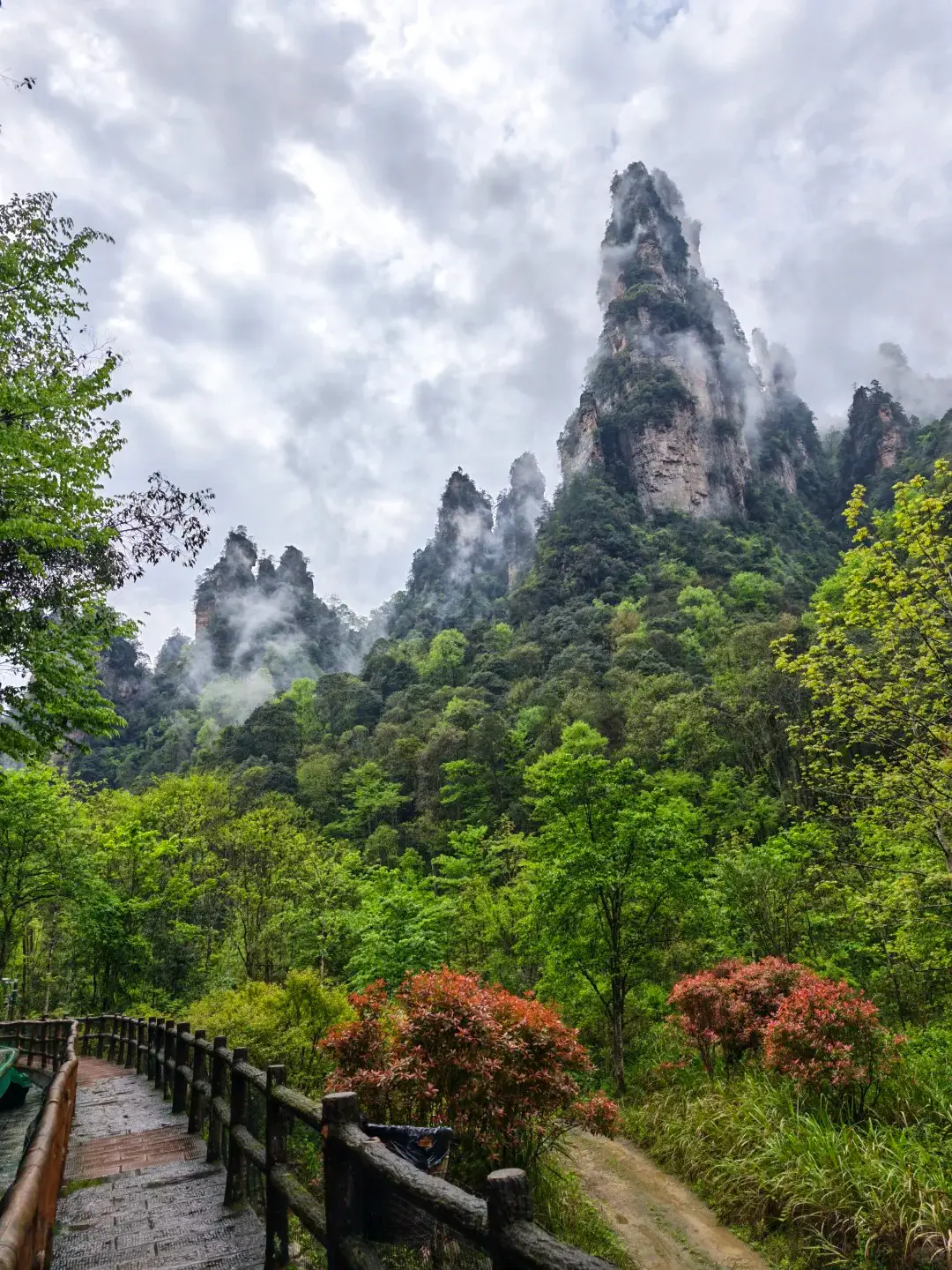
Yuanjiajie pillars, Bailong Elevator, cliff roads, Tianmen cable car, glass walkways, and mountain-town evenings.
This is not a scenic detour to squeeze between airport days. A good Zhangjiajie route protects weather buffer, hotel base, cable-car timing, and walking comfort before any design polish matters.



Arrival day should stay light, especially after a domestic connection or late train.
If Zhangjiajie is the reason for the trip, remove pressure elsewhere before cutting mountain time.
Exit day should not carry a full scenic push, hotel move, and late flight unless the group is unusually resilient.
Yuanjiajie pillars, Bailong Elevator, cliff roads, Tianmen cable car, glass walkways, and mountain-town evenings.
Hunan food, shuttle rhythm inside the park, weather-driven decisions, and the contrast between dramatic scenery and tiring logistics.
Fog, queues, stairs, park transfer time, late arrival, and trying to combine every dramatic viewpoint into one compressed pass.
The route should show cliffs, pillars, cable cars, glass edges, and weather mood instead of repeating one postcard angle.
Mountain-town evenings, spicy regional meals, shuttle timing, and a pace very different from Beijing or Shanghai.
Spring and autumn are usually softer for walking. Summer is greener but hotter and busier. Winter can be quieter but more weather-dependent.
Arrive Zhangjiajie or Wulingyuan, keep the first evening light, and settle the hotel base before doing anything scenic.
Use the main park day for the pillar forest and elevator logic. This should not also be a heavy transfer day.
Treat Tianmen as its own decision day when energy and weather allow, not as a rushed add-on after a full park day.
Use one flex choice: a second scenic window, a lighter recovery day, or one cultural detour only if it sharpens the route.
Keep a clean exit or weather buffer. If the mountains are the reason for coming, this day should still protect that promise.
The first note is meant to make the route and agency decision easier to judge before anything gets booked. It marks what can work, what is fragile, and what should change first.
The first step is a private route and agency-fit review, not a deposit, card form, or forced quote.
Your request is not posted publicly and is not mass-sent to agencies for bidding.
Pace, transfers, scenic buffers, walking load, weather, payments, language, and hotel-area logic are checked together.
If deeper design or agency operation is useful, we explain the planning gap before asking you to continue.
Example: a 10-day China route with Beijing, Zhangjiajie, and Shanghai, plus concern about trains, payment apps, and whether the mountain stop is too rushed.
Start route reviewGold / Amber / Red, with the reason in plain language.
The hidden issue: rushed transfer, scenic buffer, holiday crowd, weather, walking comfort, or app friction.
Whether the trip should stay independent, use partial support, or move into deeper agency help.
Dates, arrival city, group comfort, must-see priority, and preferred contact channel.
Amber: the route can work, but Zhangjiajie needs protected weather buffer and you should not add Guilin unless the trip becomes longer. Confirm arrival city, walking comfort, and whether agency support is needed for the mountain section before booking.