See
Granite peaks, pine silhouettes, sunrise viewpoints, cloud-sea chances, Hui-style villages, tea, and softer Jiangnan pairings.
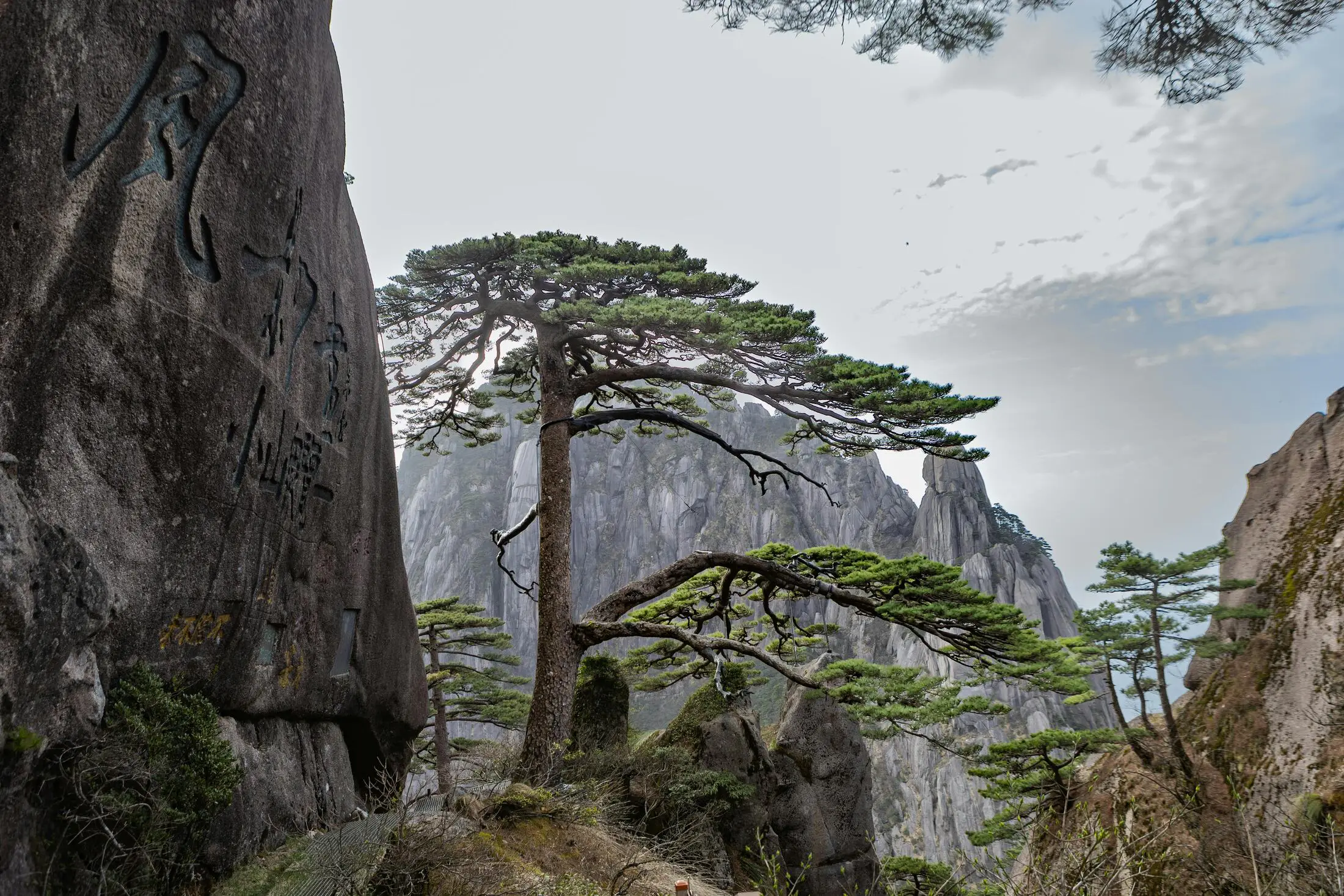
A good Huangshan route starts with summit-night logic, cable-car access, weather tolerance, luggage strategy, and walking comfort. Only after that should villages, tea, and Jiangnan pairings enter the plan.



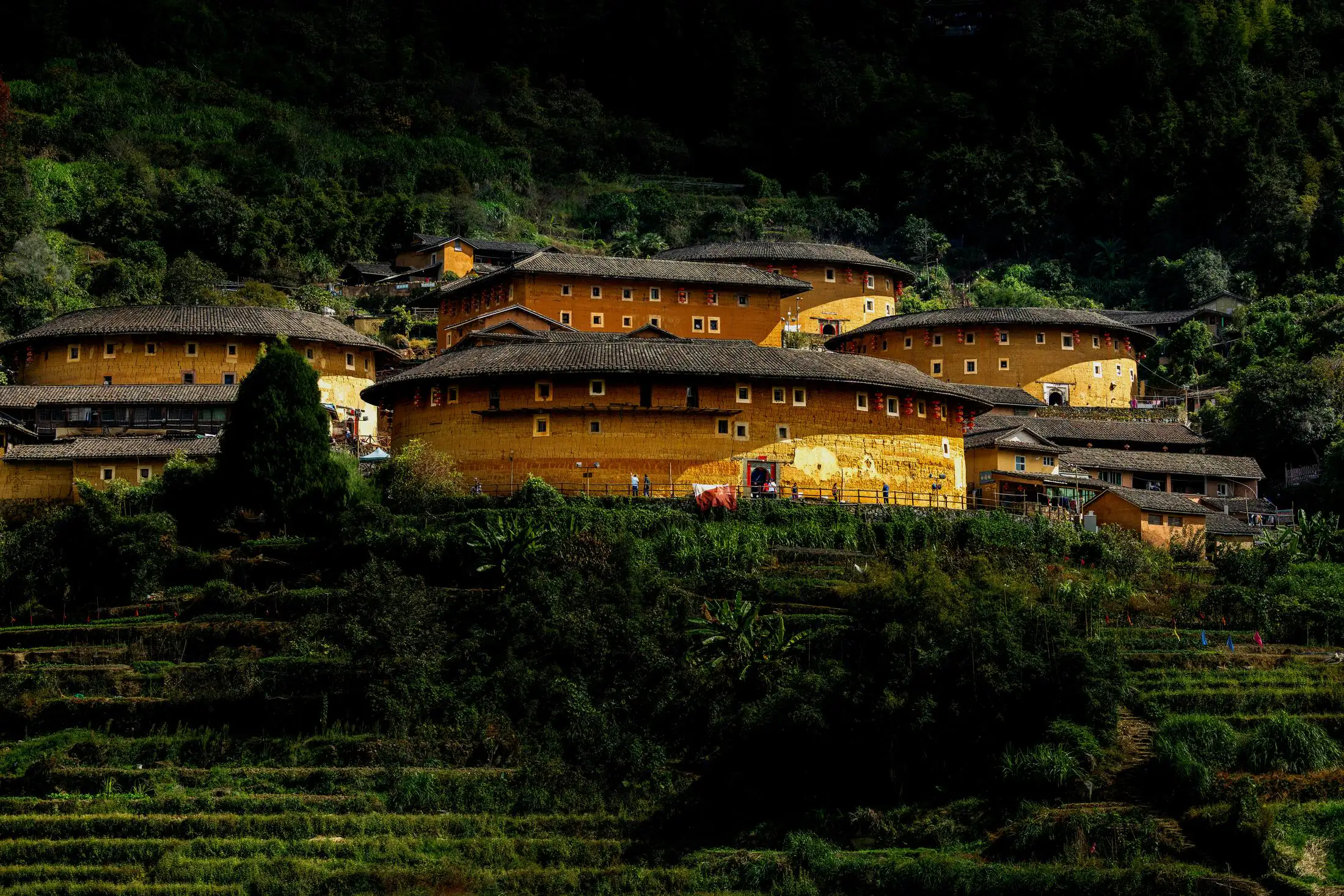
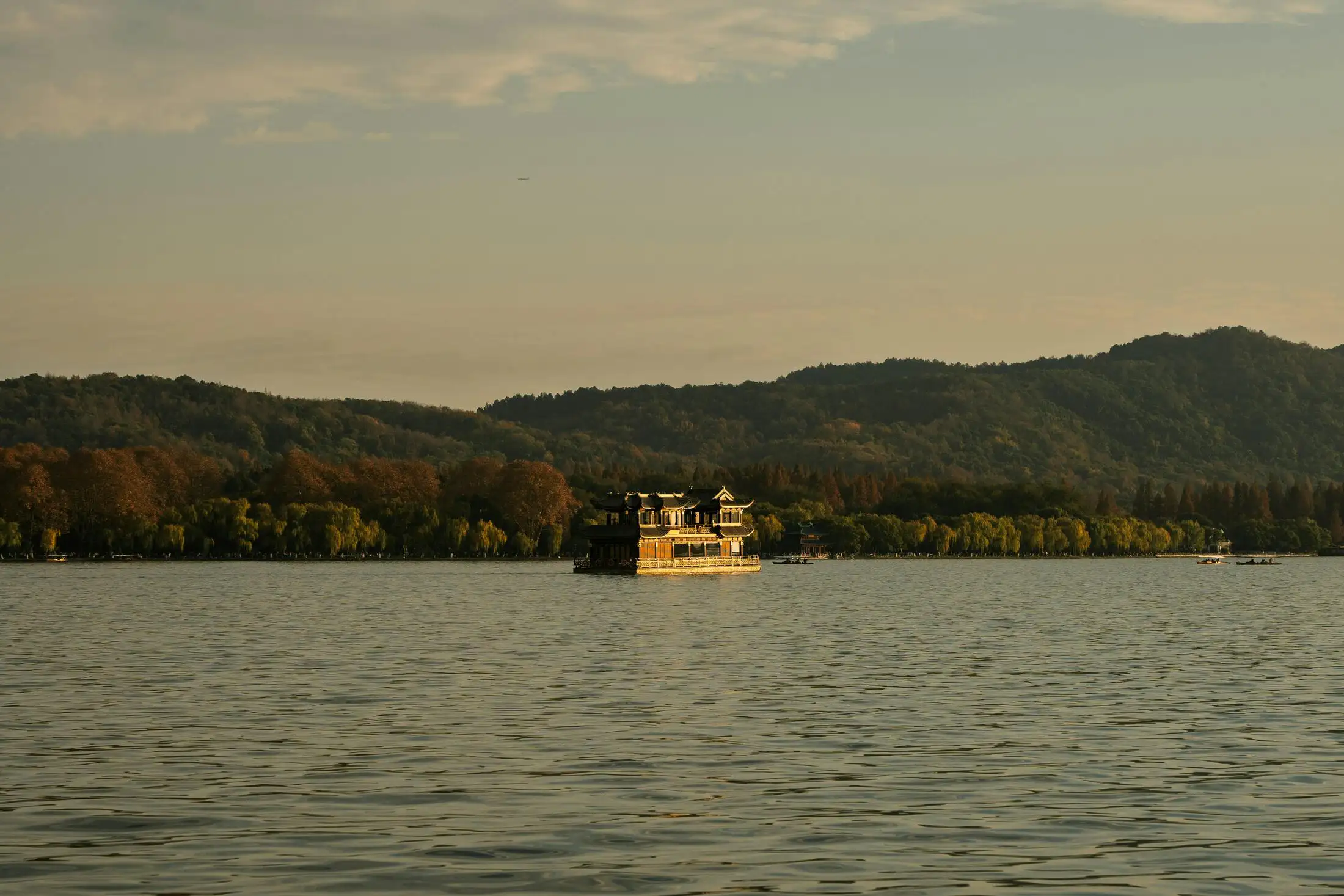

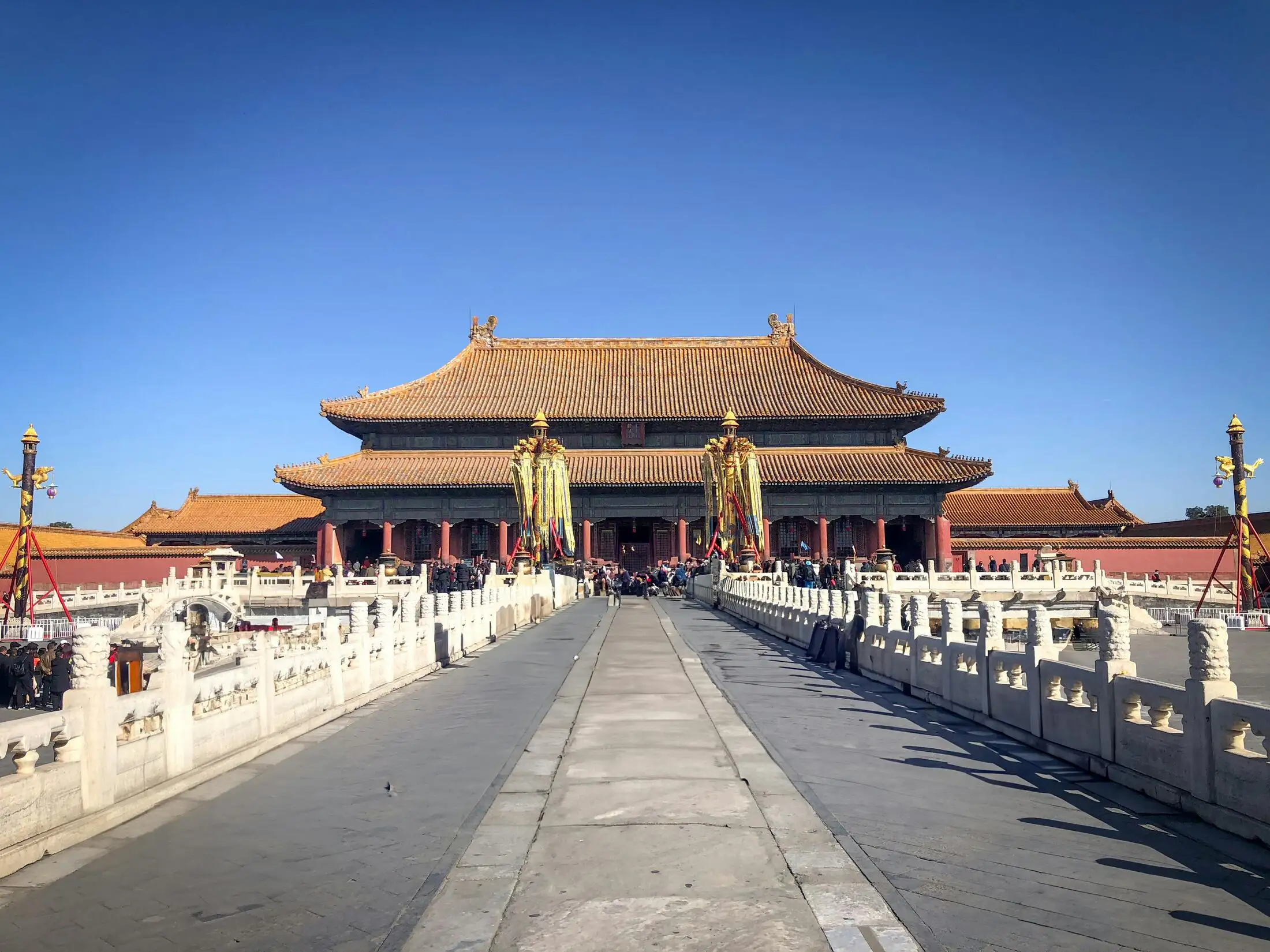
Build the route around the mountain night first, then layer villages or Hangzhou only if the pace still feels elegant.
For comfort-first travelers, solving luggage and walking issues early matters more than squeezing in more scenic labels.
If the weather disappoints, the route should still feel worthwhile because the villages, tea, and mountain atmosphere still carry meaning.
Granite peaks, pine silhouettes, sunrise viewpoints, cloud-sea chances, Hui-style villages, tea, and softer Jiangnan pairings.
A summit overnight atmosphere, slower photography windows, tea culture, old lanes, and a more classical version of China.
Weather disappointment, stair load, summit-hotel comfort limits, cable-car closing times, and overpacking too many Jiangnan towns after the mountain.
Peaks, pines, clouds, stone paths, villages, and tea fields should each answer a route question.
Village lanes, tea, slower evenings, and the contrast between mountain effort and lower-elevation recovery.
Each season changes the value of the summit night. Some travelers should optimize for atmosphere instead of chasing a guaranteed sunrise.
Arrive through Huangshan or a Jiangnan city and keep the transfer pressure light before the mountain push starts.
Go up the mountain with a summit-night plan that fits the traveler, rather than trying to force a rushed same-day return.
Use sunrise if it works, but keep the route strong enough that a foggy morning does not destroy the value of the trip.
Add Hongcun, Xidi, or Tunxi only if it extends the classical mood instead of turning the route into another transfer loop.
Use Hangzhou or Suzhou as a softer finish only when the traveler wants calm continuity rather than more sightseeing load.
The first note is meant to make the route and agency decision easier to judge before anything gets booked. It marks what can work, what is fragile, and what should change first.
The first step is a private route and agency-fit review, not a deposit, card form, or forced quote.
Your request is not posted publicly and is not mass-sent to agencies for bidding.
Pace, transfers, scenic buffers, walking load, weather, payments, language, and hotel-area logic are checked together.
If deeper design or agency operation is useful, we explain the planning gap before asking you to continue.
Example: a 10-day China route with Beijing, Zhangjiajie, and Shanghai, plus concern about trains, payment apps, and whether the mountain stop is too rushed.
Start route reviewGold / Amber / Red, with the reason in plain language.
The hidden issue: rushed transfer, scenic buffer, holiday crowd, weather, walking comfort, or app friction.
Whether the trip should stay independent, use partial support, or move into deeper agency help.
Dates, arrival city, group comfort, must-see priority, and preferred contact channel.
Amber: the route can work, but Zhangjiajie needs protected weather buffer and you should not add Guilin unless the trip becomes longer. Confirm arrival city, walking comfort, and whether agency support is needed for the mountain section before booking.