See
Li River karst, Yangshuo countryside, Yulong River scenes, softer mountain silhouettes, and terraces only when the route truly supports them.
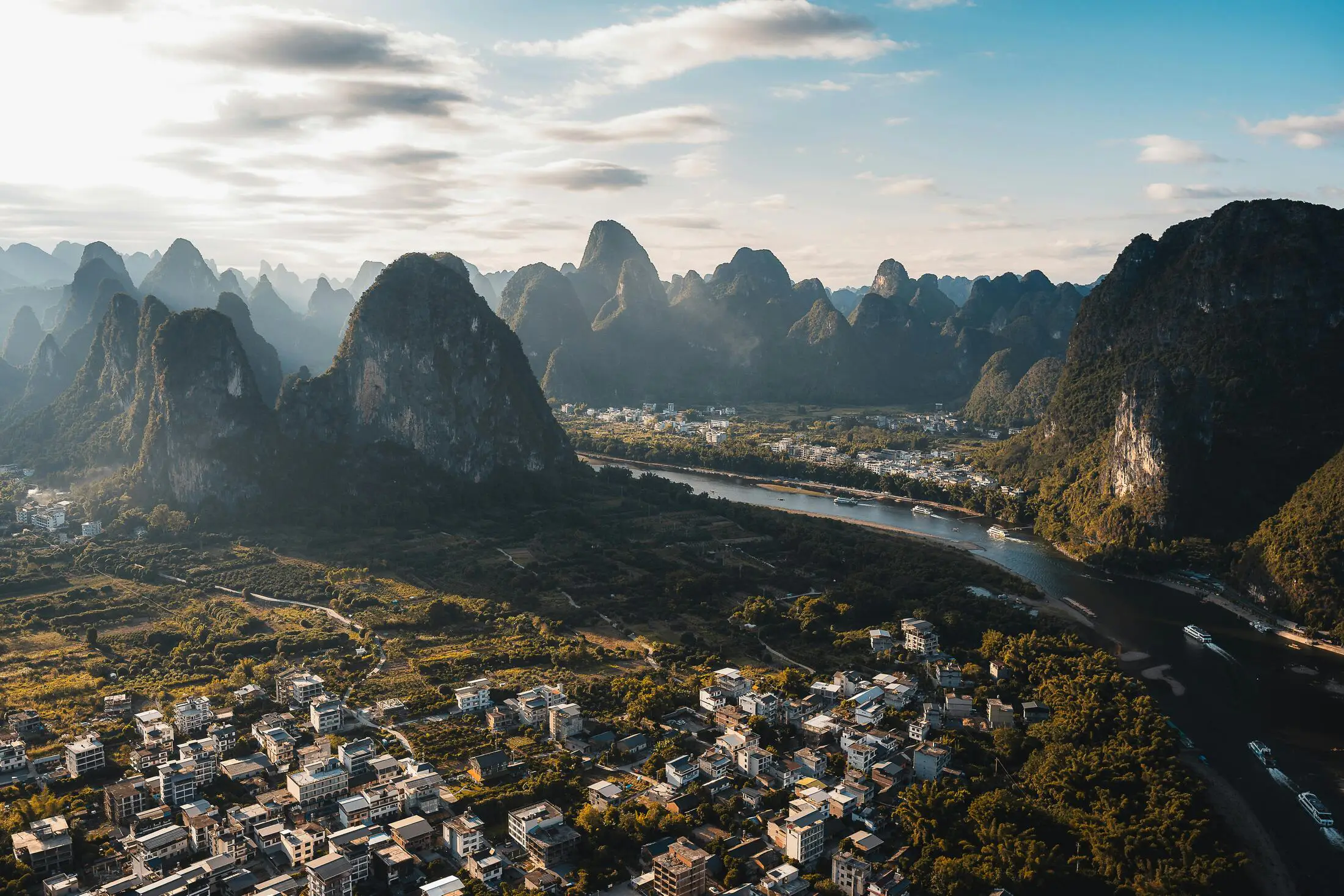
This is a calmer scenery concept for travelers who want karst landscapes, river atmosphere, countryside rhythm, and easier evenings. The route check should decide hotel base, river timing, Longji pressure, and how much softness the wider China route actually needs.


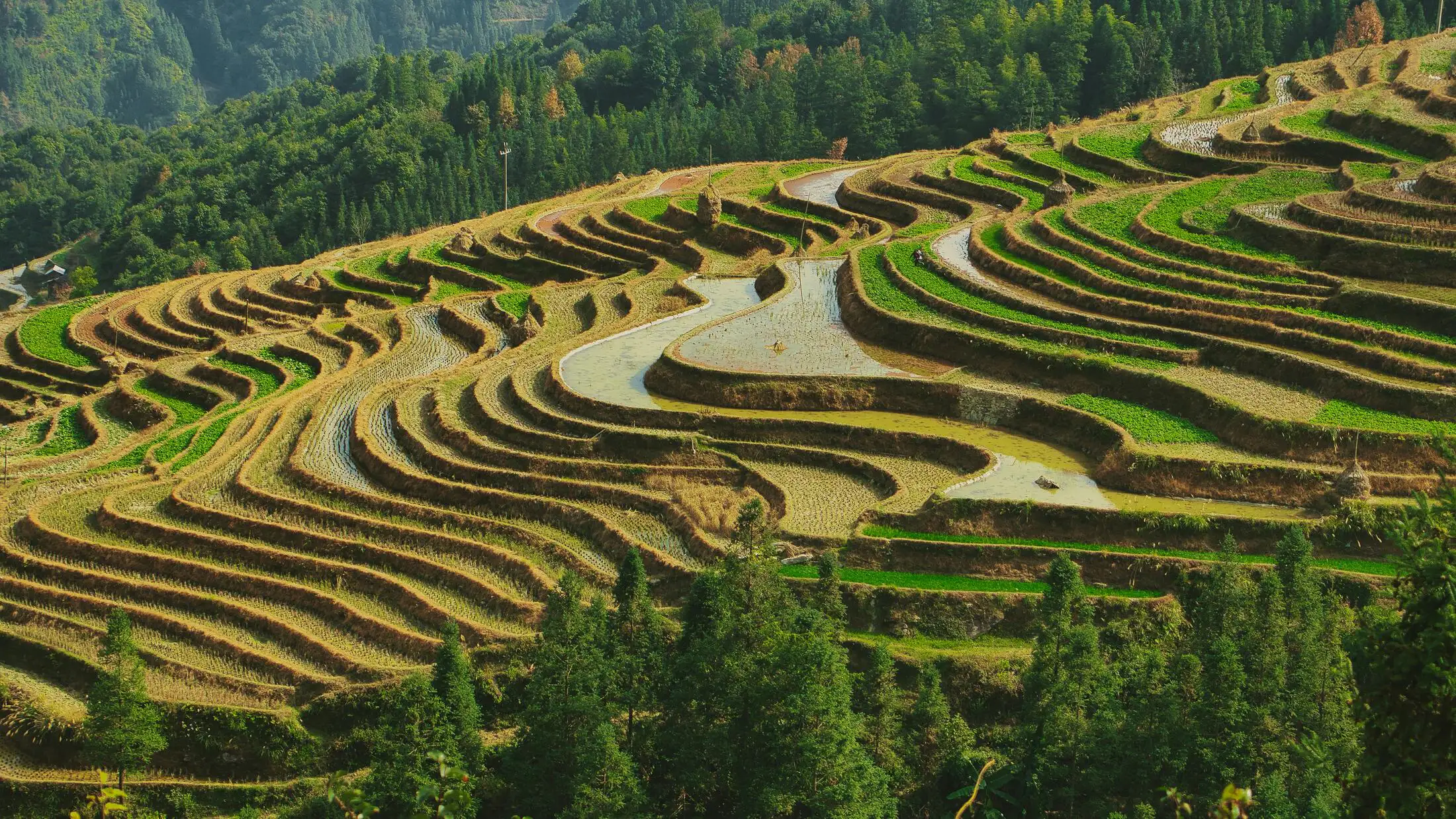
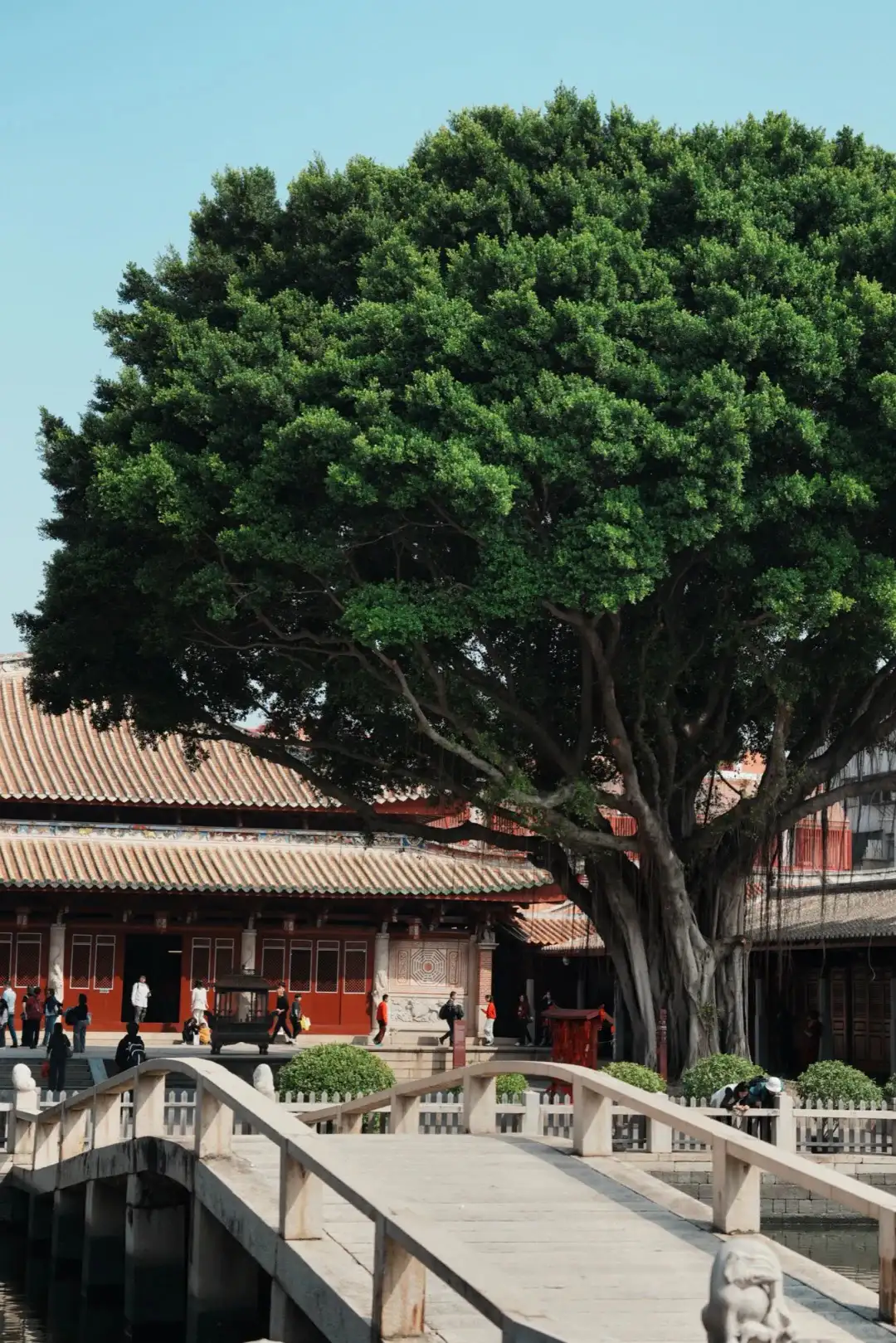

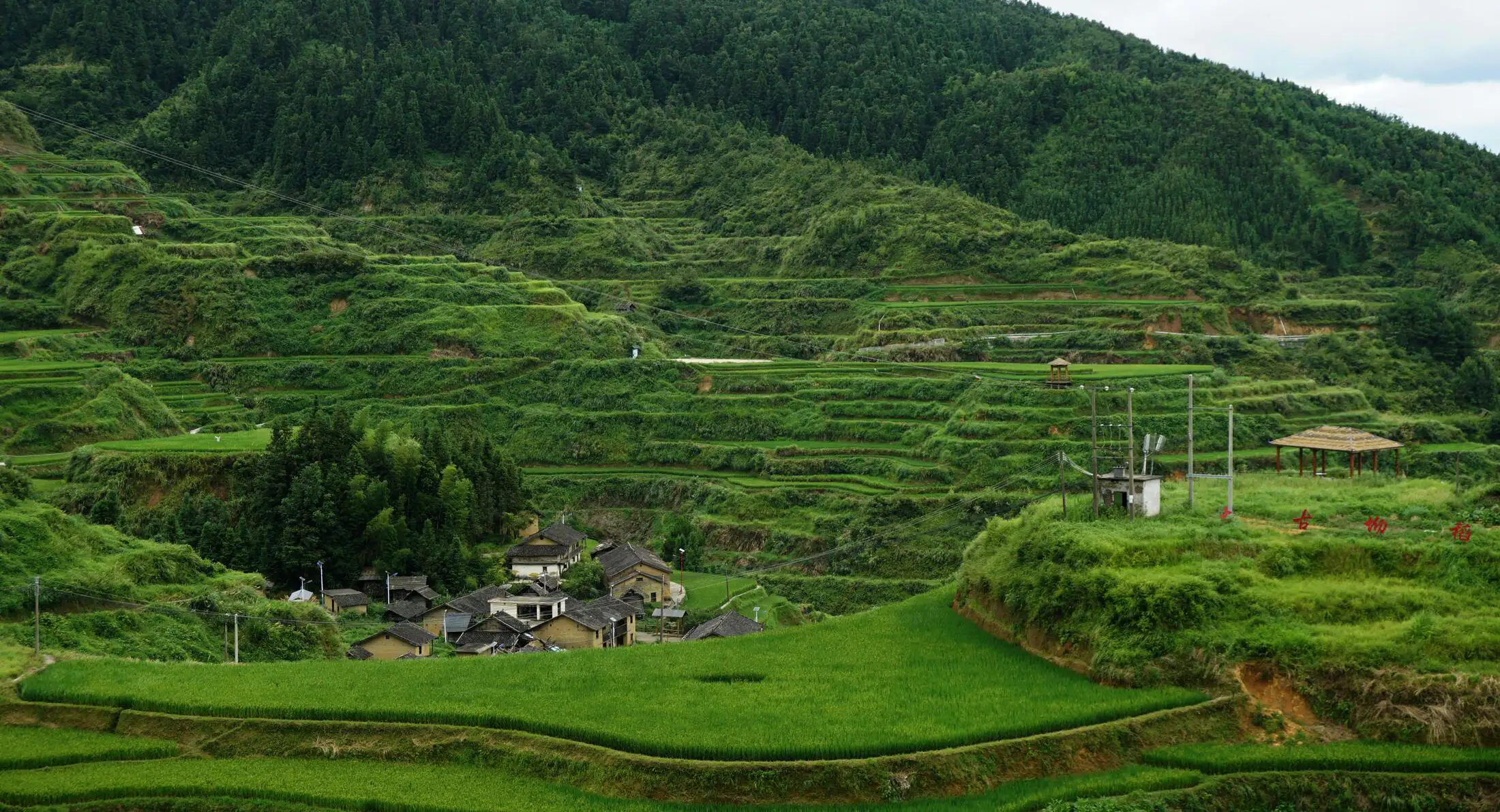


Use Guilin as the practical gateway and Yangshuo as the slower scenic anchor when the group wants softness more than activity count.
For families and mixed-comfort groups, the right hotel base can matter more than one extra viewpoint or town stop.
If Shanghai or another city comes later, Guilin should refresh the route, not drain it before the last chapter begins.
Li River karst, Yangshuo countryside, Yulong River scenes, softer mountain silhouettes, and terraces only when the route truly supports them.
Rice noodles, riverside or countryside evenings, village paths, slower hotel time, and the contrast between practical Guilin and atmospheric Yangshuo.
Rain, heat, overpacked day trips, wrong hotel location, Longji transfer drag, and using the scenic section as a place to stuff every optional add-on.
Karst silhouettes, river movement, countryside lanes, and terraces should prove the route mood instead of listing famous labels.
River-town evenings, noodles, village pace, quieter hotels, and a scenic rhythm that should feel easier than the big-city sections.
Spring can be misty, summer is greener but hotter, autumn is often clearer, and terrace value changes dramatically by season.
Arrive in Guilin, settle in, and avoid forcing a major scenic commitment on the same day as the transfer.
Use the river transition well so it feels like part of the trip, not a transport day on water.
Protect Yangshuo countryside time and keep the day flexible enough for easy movement, rest, or light activity.
Choose between more Yangshuo softness or a terrace detour only if the group really wants that tradeoff.
Keep a calm exit or a softer final half-day so the scenic section ends as recovery, not as another logistics crunch.
The first note is meant to make the route and agency decision easier to judge before anything gets booked. It marks what can work, what is fragile, and what should change first.
The first step is a private route and agency-fit review, not a deposit, card form, or forced quote.
Your request is not posted publicly and is not mass-sent to agencies for bidding.
Pace, transfers, scenic buffers, walking load, weather, payments, language, and hotel-area logic are checked together.
If deeper design or agency operation is useful, we explain the planning gap before asking you to continue.
Example: a 10-day China route with Beijing, Zhangjiajie, and Shanghai, plus concern about trains, payment apps, and whether the mountain stop is too rushed.
Start route reviewGold / Amber / Red, with the reason in plain language.
The hidden issue: rushed transfer, scenic buffer, holiday crowd, weather, walking comfort, or app friction.
Whether the trip should stay independent, use partial support, or move into deeper agency help.
Dates, arrival city, group comfort, must-see priority, and preferred contact channel.
Amber: the route can work, but Zhangjiajie needs protected weather buffer and you should not add Guilin unless the trip becomes longer. Confirm arrival city, walking comfort, and whether agency support is needed for the mountain section before booking.